
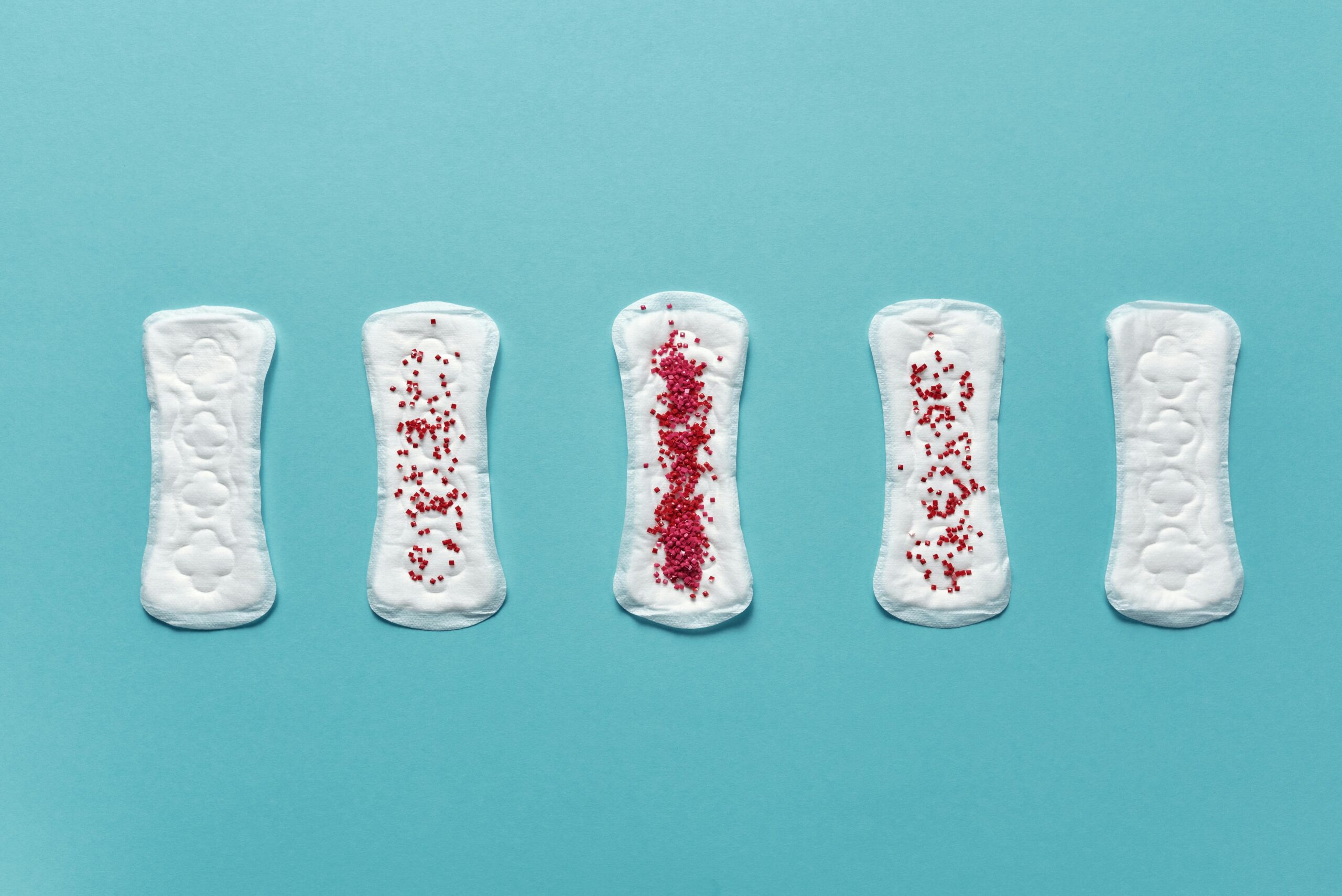
Why Are My Periods Irregular? 12 Common Causes Every Woman Should Know
Meta Title: Why Are My Periods Irregular? 12 Common Causes Every Woman Should Know
Meta Description: Wondering why your periods are irregular? Discover 12 common causes of irregular periods, when to seek medical advice, treatment options, and how irregular periods can affect your health and fertility.
URL Slug:
/why-are-my-periods-irregular
Why Are My Periods Irregular? 12 Common Causes Every Woman Should Know
If you’ve ever wondered, “Why are my periods irregular?”, you’re not alone. Many women experience changes in their menstrual cycle at some point in their lives. While an occasional variation is often normal, frequent or ongoing changes can sometimes indicate an underlying health condition.
Understanding why are my periods irregular is the first step towards protecting your reproductive health. Hormonal changes, stress, lifestyle factors, pregnancy, and medical conditions such as Polycystic Ovary Syndrome (PCOS) can all affect your menstrual cycle. Knowing why are my periods irregular can help you recognise when changes are temporary and when it’s time to seek medical advice.
In this guide, we’ll explain why are my periods irregular, explore the most common causes, discuss when irregular periods may be a sign of a health concern, and answer the questions women ask most about menstrual health.
Table of Contents
- What are irregular periods?
- Why are my periods irregular?
- What causes irregular periods?
- Can stress cause irregular periods?
- Can PCOS cause irregular periods?
- Can pregnancy cause irregular periods?
- Can thyroid problems affect your periods?
- Can weight changes affect your menstrual cycle?
- When should you worry about irregular periods?
- How are irregular periods diagnosed?
- Can irregular periods affect fertility?
- Frequently Asked Questions
What Are Irregular Periods?
What does it mean to have irregular periods?
Before answering why are my periods irregular, it’s important to understand what an irregular menstrual cycle actually is.
A typical menstrual cycle lasts between 21 and 35 days, although the exact length varies from woman to woman. A period is generally considered irregular when the timing, flow, or duration changes significantly from your usual pattern.
Examples of irregular periods include:
- Periods that arrive much earlier or later than expected
- Missing one or more periods
- Cycles shorter than 21 days
- Cycles longer than 35 days
- Very heavy bleeding
- Very light bleeding
- Spotting between periods
- Periods that last longer than usual
- Menstrual cycles that change dramatically from month to month
Occasional irregularity is common, especially during puberty or the years leading up to menopause. However, persistent changes shouldn’t be ignored.
Why Are My Periods Irregular?
Why are my periods irregular?
There isn’t a single answer to why are my periods irregular because many different factors can influence your menstrual cycle.
Your periods are controlled by a delicate balance of hormones produced by the brain and ovaries. Even small disruptions to this hormonal system can change when your period starts, how long it lasts, or how heavy it becomes.
Common reasons include:
- Hormonal changes
- Stress
- Pregnancy
- PCOS
- Thyroid disorders
- Significant weight changes
- Intense exercise
- Certain medications
- Perimenopause
- Chronic medical conditions
The good news is that many causes of irregular periods can be managed once the underlying reason is identified.
What Causes Irregular Periods?
What causes irregular periods?
Let’s explore the most common causes of irregular periods in more detail.
1. Stress
Can stress cause irregular periods?
Yes. Stress is one of the most common answers to the question, “Why are my periods irregular?”
Physical and emotional stress can affect the part of the brain that regulates reproductive hormones. This may delay ovulation or even cause it to stop temporarily.
Common sources of stress include:
- Work pressure
- Exams
- Relationship difficulties
- Financial worries
- Lack of sleep
- Illness
- Major life changes
When stress levels improve, many women’s menstrual cycles return to normal.
2. Polycystic Ovary Syndrome (PCOS)
Can PCOS cause irregular periods?
Absolutely.
PCOS is one of the leading causes of irregular periods in women of reproductive age.
Women with PCOS may experience:
- Missed periods
- Long menstrual cycles
- Infrequent periods
- Heavy bleeding after missed periods
- Acne
- Excess facial hair
- Weight gain
- Difficulty becoming pregnant
PCOS affects hormone production, which can prevent regular ovulation and lead to irregular menstrual cycles.
Related reading: Early Signs of PCOS Every Woman Should Know
3. Pregnancy
Can pregnancy cause irregular periods?
Pregnancy is one of the first possibilities to consider if you’ve missed a period.
For many women, a missed period is the earliest sign of pregnancy. However, not every missed or delayed period means you’re pregnant.
If your period is late and pregnancy is possible, consider taking a pregnancy test or speaking with your healthcare provider.
Other early pregnancy symptoms may include:
- Nausea
- Breast tenderness
- Fatigue
- Frequent urination
- Food cravings
- Mood changes
4. Thyroid Disorders
Can thyroid problems cause irregular periods?
Yes.
The thyroid gland plays an important role in regulating metabolism and hormone function.
Both an underactive thyroid (hypothyroidism) and an overactive thyroid (hyperthyroidism) can affect the menstrual cycle.
Possible symptoms include:
- Irregular periods
- Heavy bleeding
- Very light periods
- Fatigue
- Weight changes
- Hair thinning
- Feeling unusually cold or hot
- Changes in heart rate
Treating the thyroid condition often helps restore more regular menstrual cycles.
5. Significant Weight Gain or Weight Loss
Can weight changes affect your periods?
Yes.
Rapid changes in body weight can disrupt hormone production and interfere with ovulation.
Women may experience irregular periods after:
- Significant weight gain
- Rapid weight loss
- Strict dieting
- Eating disorders
- Obesity
Body fat plays an important role in hormone regulation. Maintaining a healthy weight through balanced nutrition and regular physical activity can support menstrual health.
6. Excessive Exercise
Can too much exercise cause irregular periods?
Yes.
While regular exercise supports overall health, excessive physical activity can sometimes disrupt the menstrual cycle, particularly when combined with low calorie intake.
This is more common in:
-
- Long-distance runners
- Professional athletes
- Dancers
- Gymnasts
- Women training intensely without adequate nutrition
Signs may include:
- Missed periods
- Infrequent periods
- Very light periods
Balancing exercise with adequate nutrition and recovery is essential for maintaining healthy hormone levels.
Can Irregular Periods Be Normal?
Is it normal to have irregular periods?
Sometimes, yes.
Irregular periods are often considered normal during certain stages of life, including:
- The first few years after puberty
- Pregnancy
- Breastfeeding
- Perimenopause
- The transition to menopause
Temporary changes may also occur due to:
- Travel
- Jet lag
- Shift work
- Short-term illness
- Significant emotional stress
However, if your menstrual cycle changes suddenly, becomes consistently irregular, or is accompanied by other symptoms such as severe pain, heavy bleeding, or persistent fatigue, it’s important to seek medical advice.
Key Takeaways So Far
Understanding why are my periods irregular begins with recognising that your menstrual cycle is influenced by hormones, lifestyle, and overall health. While occasional changes are common, persistent irregularity may be linked to conditions such as PCOS, thyroid disorders, significant weight changes, stress, pregnancy, or excessive exercise.
Identifying the underlying cause is the first step towards appropriate treatment and maintaining long-term reproductive health.
Coming Up in Part 2
- Perimenopause and irregular periods
- Birth control and menstrual changes
- Medications that can affect your cycle
- Chronic health conditions
- Fibroids and endometriosis
- When should you worry about irregular periods?
- How are irregular periods diagnosed?
- Can irregular periods affect fertility?
- Treatment options for irregular periods
“`
7. Perimenopause
Can perimenopause cause irregular periods?
Yes. One of the most common reasons women over 40 ask, “Why are my periods irregular?”, is perimenopause.
Perimenopause is the natural transition leading up to menopause, during which hormone levels begin to fluctuate. This stage can last several years before periods stop completely.
Common changes include:
- Periods arriving earlier or later than usual
- Skipped periods
- Heavier or lighter bleeding
- Longer or shorter menstrual cycles
- Hot flushes
- Night sweats
- Mood changes
- Sleep disturbances
Although irregular periods are common during perimenopause, heavy bleeding or bleeding after menopause should always be assessed by a healthcare professional.
8. Hormonal Birth Control
Can birth control cause irregular periods?
Yes.
Hormonal contraceptives work by changing your body’s natural hormone levels, so it’s common to notice temporary changes in your menstrual cycle, especially during the first few months.
You may experience:
- Spotting between periods
- Lighter periods
- Missed periods
- Irregular bleeding
- Shorter periods
These changes often settle as your body adjusts. However, if bleeding becomes heavy, prolonged, or persistent, speak with your healthcare provider.
9. Certain Medications
Can medications make your periods irregular?
Yes.
Some medicines can interfere with hormone levels or ovulation, leading to changes in your menstrual cycle.
Examples include:
- Hormonal medications
- Steroids
- Some antidepressants
- Antipsychotic medications
- Certain chemotherapy drugs
- Blood-thinning medicines
- Some epilepsy medications
Never stop taking prescribed medication without discussing it with your healthcare provider.
10. Chronic Health Conditions
Can underlying health conditions cause irregular periods?
Yes.
Several long-term medical conditions can affect hormone balance and menstrual regularity.
These include:
- Diabetes
- Thyroid disorders
- Cushing’s syndrome
- Coeliac disease
- Chronic kidney disease
- Liver disease
Managing the underlying condition often helps improve menstrual regularity.
11. Uterine Fibroids
Can fibroids cause irregular periods?
Yes.
Fibroids are non-cancerous growths that develop in or around the uterus. They are common, particularly in women aged 30 to 50.
Symptoms may include:
- Heavy menstrual bleeding
- Longer-lasting periods
- Pelvic pain or pressure
- Frequent urination
- Lower back pain
- Pain during intercourse
Not all fibroids cause symptoms, but larger fibroids can significantly affect menstrual health.
12. Endometriosis
Can endometriosis cause irregular periods?
Yes.
Endometriosis occurs when tissue similar to the lining of the uterus grows outside the womb. Although painful periods are the most recognised symptom, some women also experience changes to their menstrual cycle.
Symptoms may include:
- Severe period pain
- Pain during intercourse
- Pelvic pain
- Heavy bleeding
- Spotting between periods
- Fertility difficulties
If you regularly experience severe menstrual pain or abnormal bleeding, it’s important to seek medical advice.
When Should You Worry About Irregular Periods?
When should I worry about irregular periods?
Many women ask, “Why are my periods irregular, and when should I be concerned?”
While occasional irregularity is common, some symptoms should never be ignored.
You should arrange a medical review if:
- You suddenly stop having periods without pregnancy.
- Your periods occur less than 21 days apart or more than 35 days apart on a regular basis.
- You miss three or more periods consecutively.
- Your periods become extremely heavy.
- You bleed between periods.
- You experience bleeding after sexual intercourse.
- You have severe pelvic pain.
- You develop persistent fatigue or dizziness.
- Your periods become increasingly irregular without an obvious reason.
Early assessment can help identify treatable conditions before complications develop.
Can Irregular Periods Affect Fertility?
Can irregular periods make it harder to get pregnant?
Yes.
Irregular periods often indicate that ovulation is not happening regularly. Since ovulation is necessary for pregnancy, irregular menstrual cycles may reduce the chances of conception.
Conditions commonly linked with fertility problems include:
- PCOS
- Thyroid disorders
- Endometriosis
- Premature ovarian insufficiency
- Hormonal imbalance
However, many women with irregular periods successfully become pregnant with appropriate medical advice and treatment.
If you’ve been trying to conceive without success, speak to your healthcare provider about fertility assessment.
How Are Irregular Periods Diagnosed?
How do doctors find out why periods are irregular?
To determine why are my periods irregular, your healthcare provider will begin by asking detailed questions about your health and menstrual history.
They may ask about:
- The length of your menstrual cycle
- The first day of your last period
- Pregnancy history
- Current medications
- Lifestyle habits
- Weight changes
- Exercise routine
- Family history
- Existing medical conditions
Blood Tests
These can assess:
- Hormone levels
- Thyroid function
- Pregnancy
- Blood sugar levels
- Iron levels if heavy bleeding is present
Pelvic Ultrasound
An ultrasound may help identify:
- PCOS
- Ovarian cysts
- Fibroids
- Uterine abnormalities
- Thickened uterine lining
Additional Investigations
If necessary, your healthcare provider may recommend further tests based on your symptoms and medical history.
How Are Irregular Periods Treated?
What is the treatment for irregular periods?
Treatment depends entirely on the underlying cause.
Some women may not need treatment if occasional irregular periods are considered normal for their age or life stage.
Lifestyle Changes
Simple lifestyle adjustments can sometimes improve menstrual regularity.
These may include:
- Maintaining a healthy weight
- Managing stress
- Getting enough sleep
- Eating a balanced diet
- Exercising regularly without overtraining
Hormonal Treatment
For some women, hormone-based treatments may help regulate menstrual cycles and manage symptoms.
Treating Underlying Conditions
If irregular periods are caused by conditions such as:
- PCOS
- Thyroid disease
- Endometriosis
- Fibroids
Your treatment plan will focus on managing that condition.
Should I See a Gynaecologist for Irregular Periods?
When should I see a specialist?
If you’re repeatedly asking yourself, “Why are my periods irregular?”, it’s a good idea to seek medical advice—especially if symptoms continue for several months or interfere with your daily life.
A gynaecologist can investigate the underlying cause and recommend the most appropriate management plan.
Key Takeaways
There are many possible answers to the question, “Why are my periods irregular?” Hormonal changes, PCOS, thyroid disorders, stress, medications, weight fluctuations, perimenopause, fibroids, and endometriosis are among the most common causes.
Although occasional irregularity is often harmless, persistent changes, heavy bleeding, severe pain, or missed periods should always be discussed with a healthcare professional. Early diagnosis can improve treatment outcomes and support long-term reproductive health.
Can Irregular Periods Be Prevented?
Can you prevent irregular periods?
Not all irregular periods can be prevented, especially when they are caused by natural hormonal changes, pregnancy, perimenopause, or certain medical conditions. However, adopting healthy lifestyle habits can support hormonal balance and reduce the risk of irregular menstrual cycles caused by lifestyle factors.
If you’ve been asking yourself, “Why are my periods irregular?”, taking proactive steps to care for your overall health may help improve menstrual regularity.
How to Support a Healthy Menstrual Cycle Naturally
How can I regulate my periods naturally?
While medical treatment may be necessary for some women, healthy daily habits can support a more regular menstrual cycle.
1. Maintain a Healthy Weight
Being significantly underweight or overweight can affect hormone production and ovulation.
Aim for:
- A balanced diet
- Regular physical activity
- Sustainable weight management
- Gradual weight changes rather than rapid dieting
Even modest improvements in weight can positively influence menstrual health.
2. Eat a Nutrient-Rich Diet
Good nutrition supports hormone production and overall reproductive health.
Focus on foods such as:
- Fresh fruit and vegetables
- Whole grains
- Lean protein
- Healthy fats
- Nuts and seeds
- Iron-rich foods
- Calcium-rich foods
- Vitamin D sources
Staying hydrated is also important for overall wellbeing.
3. Manage Stress
Because stress can disrupt hormone production, finding healthy ways to manage it may help support a more regular cycle.
Stress management techniques include:
- Walking
- Yoga
- Meditation
- Deep breathing exercises
- Journaling
- Spending time outdoors
- Speaking with friends or family
Small, consistent habits often make the biggest difference over time.
4. Exercise Regularly
Moderate physical activity supports:
- Hormonal balance
- Healthy body weight
- Better sleep
- Reduced stress
Aim for regular movement without excessive training that could interfere with ovulation.
5. Prioritise Sleep
Poor sleep can influence hormones involved in your menstrual cycle.
Adults should aim for consistent, good-quality sleep by:
- Keeping regular sleep times
- Reducing screen use before bed
- Limiting caffeine late in the day
- Creating a relaxing bedtime routine
6. Attend Routine Health Check-Ups
Regular healthcare appointments allow potential concerns to be identified early and provide an opportunity to discuss changes in your menstrual cycle.
Preventive care plays an important role in maintaining long-term reproductive health.
When Should You See a Doctor?
When should I seek medical advice for irregular periods?
You should arrange a medical appointment if:
- Your periods suddenly become irregular.
- You miss three or more consecutive periods.
- Your periods are consistently less than 21 days apart or more than 35 days apart.
- You experience extremely heavy bleeding.
- You bleed between periods.
- You have bleeding after menopause.
- Your periods are accompanied by severe pain.
- You think you may be pregnant.
- You’re trying to conceive and your periods are irregular.
- You have symptoms such as excessive facial hair, acne, or unexplained weight gain, which may suggest conditions like PCOS.
Early diagnosis often leads to more effective treatment and better long-term health outcomes.
Frequently Asked Questions
1. Why are my periods irregular?
Irregular periods can result from hormonal changes, stress, pregnancy, PCOS, thyroid disorders, significant weight changes, excessive exercise, medications, perimenopause, fibroids, endometriosis, or other medical conditions. A healthcare provider can help identify the underlying cause.
2. Is it normal to have irregular periods?
Yes, occasional irregular periods can be normal, particularly during puberty, pregnancy, breastfeeding, and perimenopause. Persistent or sudden changes, however, should be evaluated by a healthcare professional.
3. Can stress cause irregular periods?
Yes. Emotional and physical stress can disrupt hormone production and temporarily delay or prevent ovulation, resulting in irregular menstrual cycles.
4. Can PCOS cause irregular periods?
Yes. PCOS is one of the most common causes of irregular periods because it interferes with normal ovulation and hormone balance.
5. Can thyroid problems affect my menstrual cycle?
Yes. Both an underactive thyroid (hypothyroidism) and an overactive thyroid (hyperthyroidism) can lead to changes in the timing, duration, and flow of your periods.
6. Can irregular periods affect fertility?
Yes. Irregular periods may indicate irregular ovulation, which can make conception more difficult. However, many women with irregular periods go on to have successful pregnancies with appropriate care.
7. When should I worry about irregular periods?
You should seek medical advice if your periods suddenly become irregular, you miss multiple periods, experience very heavy bleeding, severe pelvic pain, bleeding between periods, or bleeding after menopause.
8. How are irregular periods diagnosed?
Diagnosis usually includes a review of your menstrual history, physical examination if appropriate, blood tests to assess hormone levels, pregnancy testing when relevant, and imaging such as a pelvic ultrasound if needed.
9. Can birth control make periods irregular?
Yes. Hormonal contraceptives can temporarily change the timing, flow, or frequency of your periods, particularly during the first few months of use.
10. Can irregular periods become regular again?
In many cases, yes. Once the underlying cause—such as stress, thyroid disease, PCOS, weight changes, or medication effects—is addressed, menstrual cycles often become more regular.
Final Thoughts
If you’ve been wondering “Why are my periods irregular?”, remember that there are many possible explanations. While occasional changes in your menstrual cycle are common, persistent irregular periods should never be ignored.
Your menstrual cycle is an important indicator of your overall health. Paying attention to changes, adopting healthy lifestyle habits, and seeking medical advice when necessary can help identify underlying conditions early and support your reproductive wellbeing.
Whether the cause is stress, hormonal imbalance, PCOS, thyroid disease, perimenopause, or another medical condition, early diagnosis often leads to better treatment options and improved long-term health.
If your periods have changed significantly or you have concerns about your menstrual health, don’t hesitate to speak with a GP or gynaecologist.
Key Takeaways
- Irregular periods are common but shouldn’t be ignored if they persist.
- Stress, PCOS, thyroid disorders, pregnancy, weight changes, medications, fibroids, endometriosis, and perimenopause are among the most common causes.
- Maintaining a healthy lifestyle can support hormonal balance and menstrual health.
- Early medical assessment can help diagnose treatable conditions before complications develop.
- Irregular periods may affect fertility, but many underlying causes can be managed effectively.
- Routine gynaecological care and preventive health checks are essential for maintaining reproductive health.
Medical Disclaimer
This article is for educational and informational purposes only and should not replace professional medical advice, diagnosis, or treatment. Every woman’s menstrual cycle is different, and the causes of irregular periods can vary widely. If your periods become suddenly irregular, you experience heavy bleeding, severe pelvic pain, bleeding after menopause, or any other concerning symptoms, consult a qualified GP or gynaecologist promptly. Always follow the advice of your healthcare provider regarding investigations, treatment, and ongoing care.