
Highlights
- Track your periods every month to notice period pain increasing over time.
- Small lifestyle changes like diet, exercise, and sleep can reduce worsening menstrual cramps.
- Know when to see a doctor if cramps become severe or sudden.
- Home remedies like heat, stretching, hydration, and gentle massage help menstrual cramps getting stronger.
- Stress, poor sleep, and lifestyle choices affect period cramps worse than usual.
- Monitoring cycles helps spot patterns and triggers early.
- Awareness of triggers empowers women to manage pain naturally.
Introduction
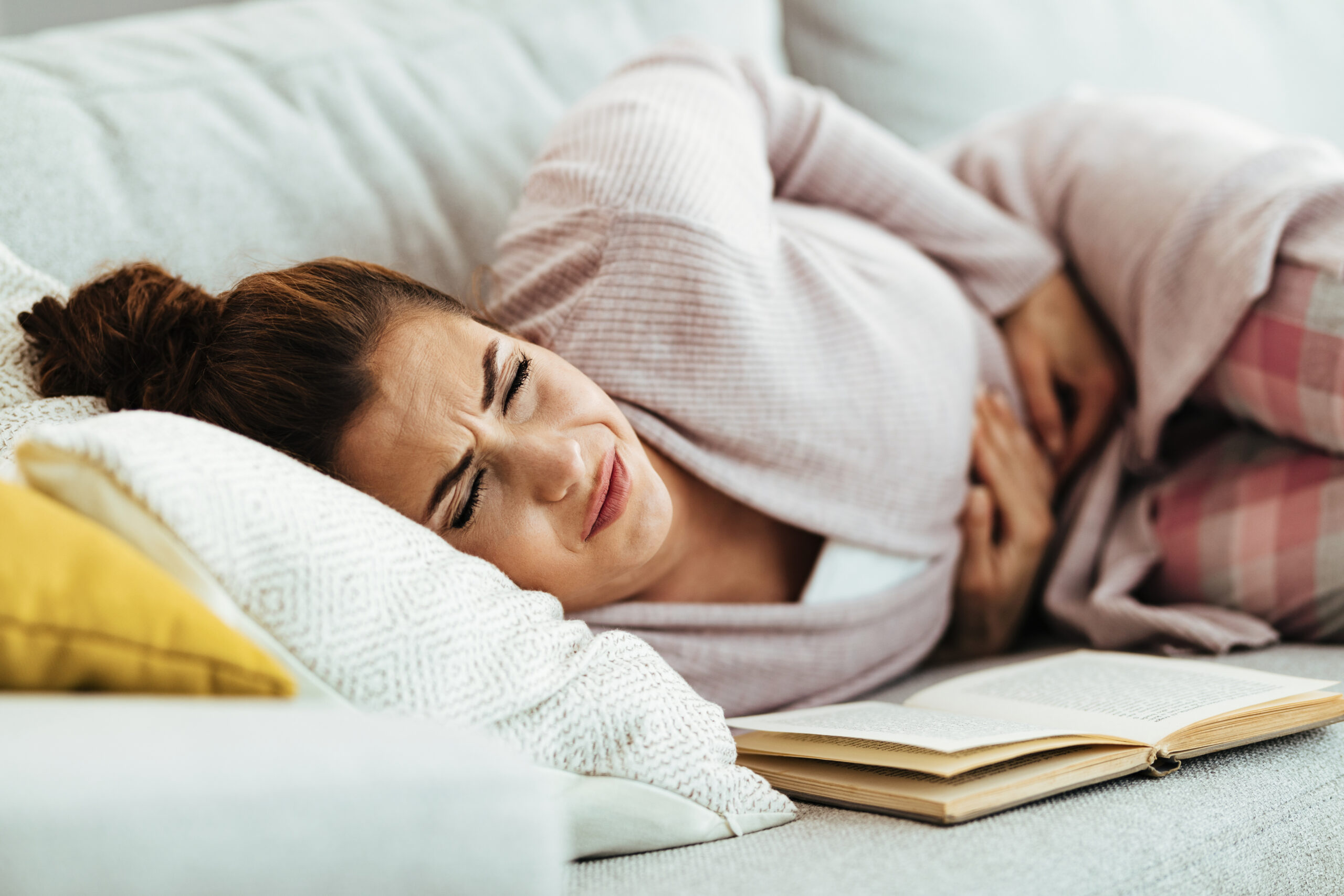
Many women in Manchester, UK, ask, “Why are my period cramps getting worse?” when each month brings stronger pain. Period cramps worse than usual can make work, studies, and daily activities feel exhausting and stressful. Fatigue, irritability, and mood swings often accompany these stronger cramps, affecting overall well-being. Understanding what causes worsening period cramps helps women take control and reduce discomfort naturally. Small steps like applying heat, light exercise, stretching, or keeping a menstrual diary can significantly ease pain. Lifestyle factors such as stress, sleep patterns, diet, and hydration play a major role in period pain increasing over time.
Women can also notice triggers like caffeine, sugar, or skipped meals that make menstrual cramps get stronger. Being proactive and aware makes periods more predictable and less disruptive. Simple home remedies, consistent routines, and timely medical advice can make periods more manageable. By taking small actions each day, women can feel empowered, confident, and in control of their menstrual health.
What Causes Worsening Period Cramps?
Menstrual cramps are common, but for some women, the pain can become stronger over time. Understanding the factors that contribute to worsening cramps can help manage discomfort and make periods more tolerable. Several biological, lifestyle, and medical factors play a role in intensifying menstrual pain.
Hormonal Fluctuations : Hormonal changes throughout the menstrual cycle are a primary cause of cramp intensity. As levels of prostaglandins rise before menstruation, the uterus contracts more strongly, causing more painful cramps. For some women, hormonal shifts may make cramps feel progressively worse from month to month.
Underlying Medical Conditions : Certain gynecological conditions can lead to increasingly severe period pain:
- Endometriosis: Tissue similar to the lining of the uterus grows outside the uterus, causing inflammation and severe cramps.
- Fibroids: Noncancerous growths in the uterus can create pressure and worsen menstrual pain.
- Adenomyosis: When the uterine lining grows into the muscular wall of the uterus, cramps can intensify.
Recognising these conditions early can allow for effective treatment and relief.
Stress, Sleep, and Diet : Lifestyle factors significantly affect menstrual discomfort:
- Stress: High stress levels can amplify the perception of pain.
- Sleep deprivation: Poor sleep reduces the body’s ability to manage pain effectively.
- Unhealthy diet: Skipping meals or consuming processed foods increases inflammation, making cramps worse.
Age and Natural Cycle Changes : As women age or experience hormonal transitions such as perimenopause, the body’s menstrual patterns change. These changes can sometimes lead to stronger or longer-lasting cramps than in earlier years.
Identifying Triggers Through Tracking : Tracking symptoms month by month allows women to identify personal triggers, such as certain foods, stressors, or lifestyle habits, that worsen cramps. Awareness can empower proactive measures, such as dietary adjustments, exercise routines, and relaxation techniques, to prevent pain escalation.
Worsening menstrual cramps are influenced by a combination of hormonal, medical, and lifestyle factors. Early awareness, tracking, and proactive management can reduce discomfort, helping women feel more comfortable and in control during their periods.
Why Are My Period Cramps Getting Worse Each Month?
Experiencing increasingly severe menstrual cramps month after month can be frustrating. In many cases, it’s the body’s way of signaling internal or external changes that need attention. Understanding the causes can help women manage discomfort and regain control over their cycles.
Hormonal Imbalance : Hormones, particularly prostaglandins, regulate the contractions of the uterus during menstruation. When hormone levels fluctuate or become imbalanced, the uterus may contract more forcefully, causing cramps to intensify. Changes in estrogen and progesterone levels, which naturally vary over time, can also contribute to stronger monthly pain.
Gradual Onset of Medical Conditions : Some medical conditions develop slowly and can lead to worsening cramps:
- Fibroids: Noncancerous uterine growths that can press on surrounding tissue, increasing pain.
- Endometriosis: Growth of uterine-like tissue outside the uterus causes inflammation, scarring, and more severe cramps.
- Adenomyosis: When the uterine lining grows into the muscular wall of the uterus, resulting in more painful periods.
Early diagnosis can help manage these conditions effectively.
Diet and Eating Habits : Skipping meals, consuming processed foods, or maintaining a nutrient-poor diet can worsen cramps. Poor nutrition may increase inflammation, reduce energy, and make the body less able to cope with menstrual discomfort.
Stress, Sleep, and Lifestyle Factors : High stress, inadequate sleep, and sudden lifestyle changes can amplify menstrual pain. Stress hormones can heighten pain perception, while sleep deprivation weakens the body’s ability to manage discomfort.
Age and Natural Cycle Changes : Women in their late 20s and 30s may notice shifts in menstrual cycles. Hormonal fluctuations, changes in fertility, or the onset of conditions like fibroids can make cramps feel worse than in previous years.
Worsening period cramps are often caused by a combination of hormonal changes, medical conditions, and lifestyle factors. By tracking symptoms, making healthy adjustments, and seeking early intervention when necessary, women can manage pain more effectively and feel more in control during their cycles.
Reasons for Sudden Increase in Menstrual Pain
Sometimes cramps suddenly worsen even if they were mild before. Understanding sudden pain helps women take early action.
- Sometimes cramps suddenly worsen even if they were mild before. Understanding sudden pain helps take early action and prevent discomfort from getting worse.
- Period cramps worse than usual can happen due to infections or inflammation in the reproductive system, which irritate the uterus and surrounding tissues.
- Changes in medication, contraceptives, or hormonal treatments may trigger worsening menstrual cramps unexpectedly.
- Stress, poor sleep, and sudden lifestyle changes make menstrual cramps getting stronger, reducing the body’s ability to cope with pain.
- Hormonal fluctuations, especially for women in their late 20s or early 30s, can cause period pain increasing over time, making each cycle more intense.
- Conditions like ovarian cysts, fibroids, or endometriosis may suddenly cause sharper and more severe cramps.
- Keeping a symptom diary helps track triggers, timing, and patterns, making it easier to notice worsening menstrual cramps early.
- Early recognition and consultation with a doctor reduce pain, prevent complications, and help manage menstrual cramps getting stronger effectively.
- Awareness of these factors empowers women in Manchester, UK, to take control of their menstrual health and reduce discomfort during their periods.
How to Manage Period Cramps at Home
You can ease period pain increasing over time using simple and safe home methods without stress or medication.
- You can ease period pain increasing over time with simple and safe home methods without stress or strong medication.
- Apply a heat pad or take warm baths to relax muscles and reduce worsening menstrual cramps. This helps calm uterine contractions naturally.
- Drink warm water or herbal teas like chamomile or ginger to soothe the body and reduce menstrual cramps getting stronger. Staying hydrated is key.
- Light exercise such as walking, gentle stretching, or yoga improves blood flow and helps ease period cramps worse than usual. Movement can reduce tension and discomfort.
- Eat anti-inflammatory foods like fruits, vegetables, and whole grains, and avoid too much caffeine or sugar that can make worsening menstrual cramps worse.
- Track your cycle, sleep, and diet carefully. Awareness of patterns helps prevent period pain increasing over time and manage symptoms better.
- Gentle massage on the lower belly can relax muscles, ease tension, and reduce menstrual cramps getting stronger naturally.
- Try relaxation techniques such as deep breathing, meditation, or listening to calm music to reduce stress and worsening menstrual cramps.
- Combine lifestyle changes with good sleep, hydration, and stress management for long-term relief and improved comfort during periods.
When to See a Doctor in Manchester, UK
Menstrual cramps are common, but there are times when professional medical help is necessary. Seeking early evaluation ensures that any underlying conditions are diagnosed promptly and that effective treatment is provided.
Signs You Should Consult a Doctor
- Interference with daily life: If cramps prevent you from attending work, school, or managing everyday activities, it’s a sign that the pain may be more than typical menstrual discomfort.
- Abnormal bleeding: Very heavy bleeding, clots, or unusual changes in color or flow should be assessed by a healthcare professional.
- Severe accompanying symptoms: Fever, persistent vomiting, or intense pain alongside cramps could indicate an infection or other medical issues.
- Sudden worsening of pain: A rapid increase in cramp intensity without an obvious cause warrants a medical evaluation to rule out conditions like fibroids or endometriosis.
Benefits of Early Consultation
Early medical attention can help:
- Identify underlying causes of worsening menstrual cramps.
- Provide effective treatment options, such as medication, lifestyle adjustments, or procedures if necessary.
- Prevent complications and improve overall quality of life.
- Empower women with knowledge and strategies to manage pain safely and confidently.
In Manchester, you can consult gynecologists for assessment and treatment, ensuring that menstrual pain is managed proactively rather than left to escalate.
FAQs
Why are my period cramps getting worse than before?
Cramps may intensify due to hormonal fluctuations, stress, poor sleep, or dietary changes. New medical conditions, such as fibroids or endometriosis, can also contribute. Tracking your cycles, diet, and lifestyle habits can help identify specific triggers and guide effective management.
What causes worsening period cramps?
Period pain that increases over time can be linked to gynecological conditions like endometriosis, fibroids, or adenomyosis, as well as hormonal imbalance. Lifestyle factors such as stress, lack of sleep, and unhealthy diet can further amplify discomfort.
Why are my period cramps getting worse each month?
Monthly worsening often happens because of hormonal shifts, lifestyle changes, and increased stress levels. Poor nutrition, dehydration, and inactivity can also make menstrual cramps more painful over time. Recognizing patterns in your cycle allows you to take proactive steps to reduce pain.
What are reasons for sudden increase in menstrual pain?
A sudden spike in cramp intensity may be caused by infections, changes in medication, new reproductive conditions, or heightened stress. This type of sudden pain is usually different from typical cramps and should not be ignored.
How can I reduce period cramps worse than usual?
There are several natural strategies to manage stronger cramps:
- Heat therapy: Using a heating pad or warm bath relaxes uterine muscles.
- Light exercise: Walking, yoga, or stretching improves blood flow and reduces tension.
- Hydration: Drinking enough water helps reduce bloating and discomfort.
- Healthy diet: Eating anti-inflammatory foods and avoiding processed items can ease pain.
- Cycle tracking: Monitoring your periods, symptoms, and triggers helps anticipate and manage pain before it escalates.
Conclusion
Understanding why are my period cramps getting worse helps women in Manchester, UK, take control of their health and daily life. Causes include hormonal shifts, stress, diet, or medical conditions like fibroids or endometriosis. Worsening menstrual cramps or menstrual cramps getting stronger can improve with home remedies, tracking cycles, and early medical guidance.
Small lifestyle changes like better sleep, hydration, exercise, and stress management help prevent period pain increasing over time. Every woman can manage period cramps worse than usual with care, consistency, and support from healthcare providers. Awareness, early action, and simple daily steps lead to comfort, confidence, and healthier periods. Managing periods is possible, and women can feel empowered and in control every month.
However, if cramps become severe, persistent, or interfere with daily life, it’s important to seek support from a gynecologist in Manchester. Early consultation helps identify any underlying issues and ensures the right treatment and care.