
Highlights
- Ovulation pain usually occurs on one side of the lower abdomen.
- Pain side may alternate each cycle depending on which ovary releases the egg.
- Mild twinges, cramps, or dull ache are common during ovulation.
- Tracking your cycle helps identify ovulation pain patterns.
- Severe or persistent pain should be checked by a doctor.
Introduction
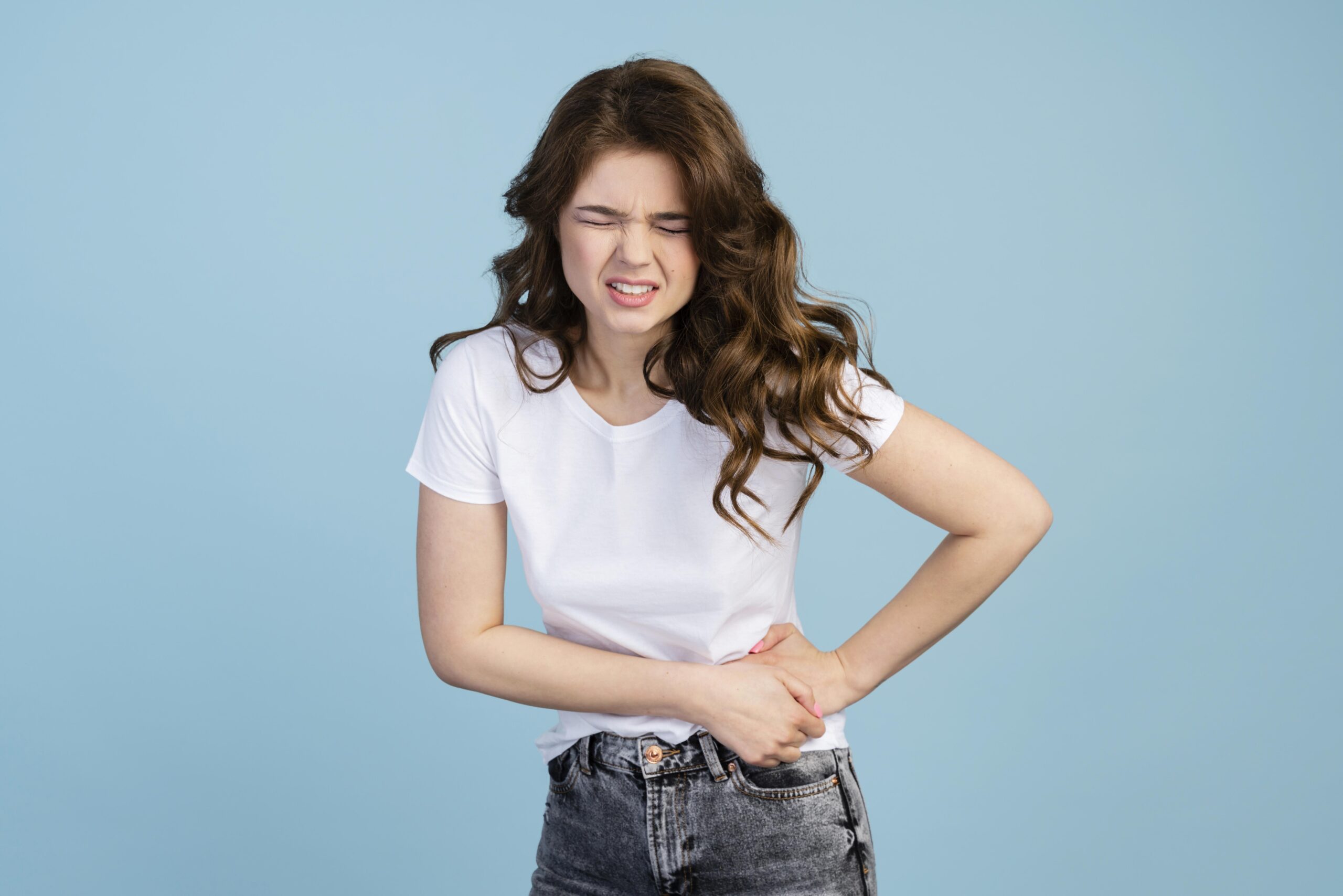
Many women in Manchester often ask, “what side does ovulation pain occur?” Ovulation pain, also called mittelschmerz, happens when an ovary releases an egg during the mid-cycle phase. The pain can be mild or sharp and usually lasts a few hours to a couple of days. Understanding ovulation pain location and which side does ovulation pain happen is helpful for tracking fertility, identifying your fertile window, and planning conception.
Ovulation cramps can appear on the left or right side, depending on which ovary is releasing an egg that month. Some women notice the pain alternates each cycle, while others feel it consistently on one side. Recognizing these ovulation cramps left vs right patterns empowers women to monitor their cycles, distinguish normal mid-cycle discomfort from unusual or concerning pain, and take better care of their reproductive health. With awareness and tracking, women can feel more confident in understanding their bodies and managing ovulation symptoms naturally.
What Causes Ovulation Pain?
Ovulation pain occurs as a natural part of the menstrual cycle when your body releases an egg from the ovary.During ovulation, the ovary stretches slightly as it releases the egg, which can cause mild to moderate discomfort. At the same time, small amounts of fluid or blood may leak from the follicle into the abdominal cavity, irritating the lining of the abdomen and contributing to the sharp or twinging sensation women often feel.
Hormonal shifts during ovulation, particularly changes in estrogen and progesterone, also play a role in triggering pain and other mid-cycle symptoms. These hormonal changes can make the discomfort feel more pronounced on one side of the lower abdomen, depending on which ovary is releasing the egg that month.
Understanding why ovulation pain occurs on one side helps women distinguish normal ovulation cramps from unusual or concerning pain. Tracking ovulation patterns and noting whether the pain alternates sides each cycle can help you anticipate mid-cycle symptoms and make informed decisions about fertility, conception, and when to seek medical advice.
Which Side Does Ovulation Pain Happen?
Ovulation pain, or mittelschmerz, can appear on the left or right side of the lower abdomen, depending on which ovary is releasing the egg. Typically, the discomfort occurs on the side of the active ovary for that cycle. For some women, the pain alternates sides each month, reflecting which ovary is ovulating. Occasionally, women may experience mild twinges on both sides if both ovaries are active or if hormonal and abdominal factors influence perception of the pain.
The intensity and duration of ovulation cramps vary. Mild discomfort can last from a few minutes to several hours, and some women notice a dull ache that lingers slightly longer. Understanding the left vs right ovulation pain pattern helps women track fertility, recognize their most fertile days, and differentiate normal mid-cycle cramps from more serious abdominal issues that may require medical attention.
Why Ovulation Pain Occurs on One Side
The side of ovulation pain depends on which ovary releases the egg and how your body responds.
- Ovulation alternates naturally between the left and right ovaries each month, so the pain side may change from cycle to cycle.
- Hormonal shifts, especially in oestrogen and progesterone, can make one side more sensitive, even if the other ovary is releasing an egg.
- Fluid or minor bleeding from the ovary irritates the lining of the abdomen, causing side of ovulation discomfort that can feel sharp, dull, or twingy.
- Some women notice stronger pain on one side due to ovulation pain symptoms by side and individual sensitivity differences.
- In rare cases, the same side may hurt several cycles in a row, depending on ovary activity, position, or digestive factors.
- Being aware of which side ovulation pain occurs helps track fertility and recognize normal patterns versus unusual pain.
Tips to Manage Ovulation Pain
Small lifestyle changes and awareness can reduce discomfort and make ovulation easier.
- Use a heating pad or take a warm bath to relax muscles and ease cramps on the side of ovulation pain.
- Do gentle exercises like walking, yoga, or stretching to improve blood flow and reduce ovulation pain symptoms by side.
- Stay hydrated and eat balanced meals rich in fiber, fruits, and vegetables to reduce bloating and discomfort.
- Track your cycles to anticipate pain and identify ovulation pain location, which helps plan daily activities around uncomfortable days.
- Avoid heavy lifting or strenuous activity during peak pain days to reduce strain.
- Consult a doctor in Manchester, UK, if pain is unusually strong, persistent, or accompanied by other symptoms, to rule out medical concerns.
FAQs
Which side does ovulation pain usually happen?
Ovulation pain usually happens on the side of the ovary that is releasing the egg. Some months it may be on the left, other months on the right, depending on which ovary is active. Hormonal shifts can also make one side feel more sensitive than the other.
Can ovulation pain happen on both sides?
Yes, some women feel twinges or cramps on both sides. This can happen if both ovaries are active or if fluid and minor bleeding irritate the abdominal lining on both sides. Even mild discomfort is normal and usually passes quickly.
How long do ovulation cramps left vs right last?
Ovulation cramps usually last from a few minutes up to a few hours. Some women may feel mild aching or pulling for a day or so, especially if the pain alternates between left and right ovary each cycle.
Is ovulation pain normal every month?
Not everyone feels ovulation pain every month. Some women experience it only occasionally. Variations in hormones, ovary activity, and sensitivity explain why ovulation pain location and intensity can differ each cycle.
How to tell which side ovulation is on?
You can track your ovulation side by noting ovulation pain location, cervical mucus changes, and basal body temperature. Keeping a cycle diary helps you see which ovary releases the egg and when, making it easier to anticipate discomfort.
Conclusion
Women in Manchester, UK, often ask, “On what side does ovulation pain occur?” Ovulation pain usually appears on the side of the ovary releasing the egg, and it can alternate from month to month. Understanding ovulation pain location, tracking left or right ovulation cramps, and observing ovulation pain symptoms by side help women manage mid-cycle discomfort and plan for fertility more effectively. Simple self-care steps make a big difference. Using a heating pad, taking warm baths, doing gentle stretches, staying hydrated, and maintaining a balanced diet can reduce side of ovulation discomfort.
By learning why ovulation pain occurs on one side and following these practical tips, women can feel more prepared and confident in understanding their bodies. However, if the pain becomes severe, persistent, or unusual, it’s important to consult a gynecologist in Manchester for proper evaluation.