
Highlights
- pelvic pressure during pregnancy is common in many women
- It feels like heaviness, stretching, or downward force
- It often grows in later months of pregnancy
- It links with pressure in pelvic area during pregnancy
- Most cases are normal but some need a doctor’s check
Introduction
For many women in Manchester, UK, it is common to wonder what does pelvic pressure feel like in pregnancy as the body goes through many physical changes. As the baby grows, the muscles, ligaments, and organs in the pelvic area start adjusting to support the growing uterus. Because of this, women may notice a feeling of heaviness, stretching, or pressure in the lower body, which can feel unfamiliar at first.
In most cases, this type of pelvic pain during pregnancy is normal and is simply a sign that the body is making space for the baby’s growth. However, the feeling can vary from mild to more noticeable depending on the stage of pregnancy and individual body changes.
This guide explains what does pelvic pressure feel like in pregnancy and the common signs and sensations so you can better understand what is normal during pregnancy and when it may need attention.
What Does Pelvic Pressure Feel Like in Pregnancy?
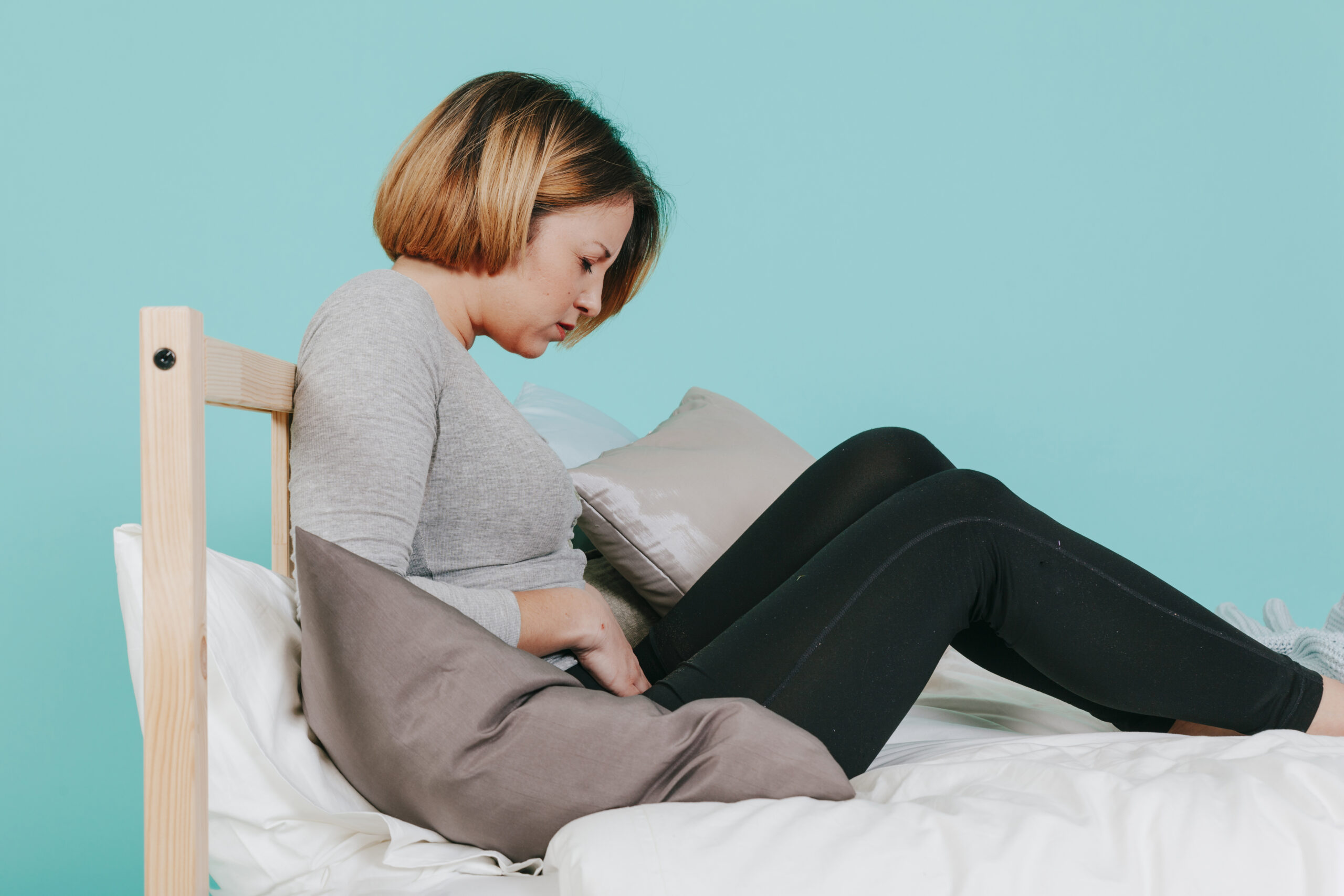
Pelvic pressure usually feels like a deep heaviness or fullness in your lower belly and pelvic area. Many women describe it as if the baby is sitting low or gently pushing downward. It is not always painful, but it can feel uncomfortable, especially when you are active or standing for a long time.
As pregnancy progresses, your body changes a lot. The uterus grows bigger, ligaments stretch, and the baby gradually moves lower in the womb as the due date gets closer. All of this can create different sensations in the pelvic area that may feel new, strange, or even slightly intense at times. Understanding what pelvic pressure feels like in Pregnancy can help you know what changes are normal as your body prepares for birth.
This feeling can also come and go throughout the day. Some women notice it more in the evening, after walking, or after a busy day, while others feel it more when they get up from sitting or lying down.
- Heavy or “dropping” sensation in the pelvis or lower abdomen
- Stretching or pulling feeling in the lower belly as the womb expands
- Pressure or discomfort when standing, walking, or climbing stairs
- Tightness or aching in the hips, groin, or pelvic joints
- Feeling like the baby is pressing down more during movement
- Mild soreness in the lower back along with pelvic heaviness
Knowing how pelvic pressure feels in pregnancy may make these symptoms feel less surprising. This type of pressure in the pelvic area during pregnancy is often related to normal body changes as your baby grows and shifts position. It is usually more noticeable in the second and third trimester when the body is preparing for birth. However, the intensity can vary from woman to woman depending on body structure, activity level, and stage of pregnancy.
What Causes Pelvic Pressure in Pregnancy?
During pregnancy, your body goes through many natural changes to support the growing baby. As the baby grows bigger, more space is needed in the womb, which puts pressure on the lower abdomen and pelvic area. The muscles, ligaments, and joints in your pelvis also become softer and stretch to prepare your body for childbirth. These changes can create a feeling of heaviness or pressure. Signs:
- Growing uterus: As the uterus expands, it presses on nearby organs and the pelvic area
- Hormone changes: Pregnancy hormones loosen muscles and ligaments, making the area feel more stretched
- Baby position: When the baby moves lower or changes position, pressure can increase in the pelvis
- Muscle stretch: Pelvic muscles stretch to support extra weight, leading to discomfort or tightness
These natural changes are the main causes of pelvic pressure in pregnancy and are part of how the body adapts to support the baby.
Is Pelvic Pressure Normal During Pregnancy?
Yes, in most cases, pelvic pressure is completely normal during pregnancy. Many women feel it at different stages, especially in the second and third trimester. It happens because your body is adjusting to the growing baby, and the pelvic area is working harder to support extra weight.
- Mild heaviness in the lower belly or pelvis
- Gentle pulling or stretching feeling
- Pressure or discomfort while walking or standing for long periods
- Sensation that comes and goes throughout the day
These feelings are usually part of normal body changes and not a cause for concern if they are mild and temporary.
Uterine Discomfort During Pregnancy :Many women wonder “do you feel pain in your uterus when pregnant” after experiencing mild cramps, pressure, or stretching sensations in the lower abdomen. In many healthy pregnancies, light uterine discomfort can happen as the uterus expands and the body adjusts to support the growing baby. Hormonal changes, ligament stretching, and increased blood flow may also cause temporary pulling or tightness during early pregnancy. However, severe pain, heavy bleeding, or unusual symptoms should always be checked by a healthcare professional.
Signs of Pelvic Pressure Feel Like in Pregnancy
Your body often gives simple signals when pelvic pressure increases. These signs are usually easy to notice and may change depending on activity or rest. Common signs:
- Feeling of weight or fullness in the lower belly
- Discomfort or mild pain when moving, bending, or walking
- Increased pressure when standing for long periods
- Relief or easing of discomfort when lying down or resting
These signs are common during pregnancy and usually improve with rest, posture changes, or slowing down activities.
Can Pregnancy Cause Sharp Pelvic Pressure?
Yes, sometimes pregnancy can cause sharp or sudden pelvic pressure, and it can feel surprising or uncomfortable. This usually happens because the body is constantly adjusting as the baby grows and moves. The ligaments and muscles in the pelvic area stretch, and this can sometimes create quick, sharp sensations instead of a steady feeling of pressure.
In most cases, these feelings are short and come and go, especially when you change position or move suddenly. Causes:
- Baby movement: A sudden kick or shift in position can cause brief sharp pressure
- Muscle stretch: Ligaments in the pelvis stretch to support the growing uterus
- Sudden position change: Standing up, turning in bed, or walking quickly can trigger sharp sensations
If the sharp pain becomes frequent, very strong, or does not go away, it is important to get medical advice to rule out any complications.
What Is Pelvic Floor Pressure During Pregnancy?
Pelvic floor pressure during pregnancy refers to the feeling of heaviness or strain in the muscles that support your uterus, bladder, and bowel.
These muscles work harder during pregnancy because they are carrying extra weight. As a result, you may feel pressure or weakness in the lower area, especially during movement or physical activity.
You may feel:
- Tightness or heaviness in the lower pelvic area
- Pressure when coughing, sneezing, or laughing
- A weak or “dragging” sensation in the pelvis
- Discomfort after standing or walking for long periods
This is common during pregnancy, but gentle exercises and rest can help support pelvic floor strength.
When Should You Worry About Pelvic Pressure?
Most pelvic pressure during pregnancy is normal, but in some cases, it may signal a problem that needs medical attention. It is important to listen to your body and notice any unusual or severe symptoms.
Warning signs:
- Strong or constant pain that does not improve with rest
- Vaginal bleeding or unusual discharge
- Fever or signs of infection
- Dizziness, fainting, or feeling very unwell
If you experience these symptoms, you should seek medical help quickly. Women in Manchester should consult a doctor in Manchester if the pain feels serious or different from normal pregnancy discomfort.
Tips to Reduce Pelvic Pressure Naturally
Simple daily habits can help reduce discomfort and make you feel more comfortable during pregnancy.
Easy tips:
- Rest on your left side to improve blood flow and reduce pressure
- Use a pregnancy pillow for better support while sleeping
- Do light walking to improve circulation and reduce stiffness
- Avoid standing for long periods without breaks
- Wear a maternity or support belt for extra pelvic support
These simple steps can help reduce pelvic pressure during pregnancy and make daily movement easier and more comfortable.
FAQs on What Does Pelvic Pressure Feel Like in Pregnancy
What does pelvic pressure feel like in pregnancy?
Pelvic pressure in pregnancy usually feels like a heavy or full sensation in your lower belly and pelvic area. Some women also describe it as a stretching feeling or a gentle downward force, as if the baby is pushing lower in the womb. Understanding what Pelvic Pressure Feel Like in Pregnancy can help you recognize these common body changes and feel more prepared as your pregnancy progresses.
What causes pelvic pressure in pregnancy?
Pelvic pressure happens because of normal pregnancy changes in your body. The growing uterus puts extra weight on the pelvic area, pregnancy hormones relax the muscles and ligaments, and the baby’s movement or position can also increase pressure.
Is pelvic pressure normal during pregnancy?
Yes, pelvic pressure is very common during pregnancy and is usually a normal part of the body adapting to support the baby. Many women experience mild heaviness, pulling sensations, or discomfort, especially in the second and third trimester.
Can pelvic pressure become sharp?
Yes, sometimes pelvic pressure can feel sharp or sudden. This can happen when the baby moves quickly, when ligaments stretch, or when you change your position too fast, such as standing up or turning in bed. These sharp feelings are usually short-lasting, but if they become frequent or very painful, they should be checked.
Should I see a doctor for pelvic pressure?
You should see a doctor if the pelvic pressure feels strong, unusual, or does not improve with rest. It is also important to seek medical advice if you notice symptoms like bleeding, severe pain, or dizziness.
Conclusion
Now you have a clear understanding of what pelvic pressure feels like in pregnancy and the common signs that come with it. In most cases, pregnancy pelvic pain and pressure is normal and happens because your body is changing to support your growing baby. The uterus expands, muscles stretch, and hormones relax the joints, all of which can create feelings of heaviness, stretching, or downward pressure in the lower body.
However, it is still important to pay attention to your body and notice how the symptoms feel. Mild and occasional discomfort is usually nothing to worry about, but changes that feel strong, sudden, or unusual should not be ignored.
Women in Manchester should consult a doctor in Manchester if the pressure becomes painful, constant, or comes with other warning signs. Early guidance can help ensure both mother and baby stay safe and healthy.