
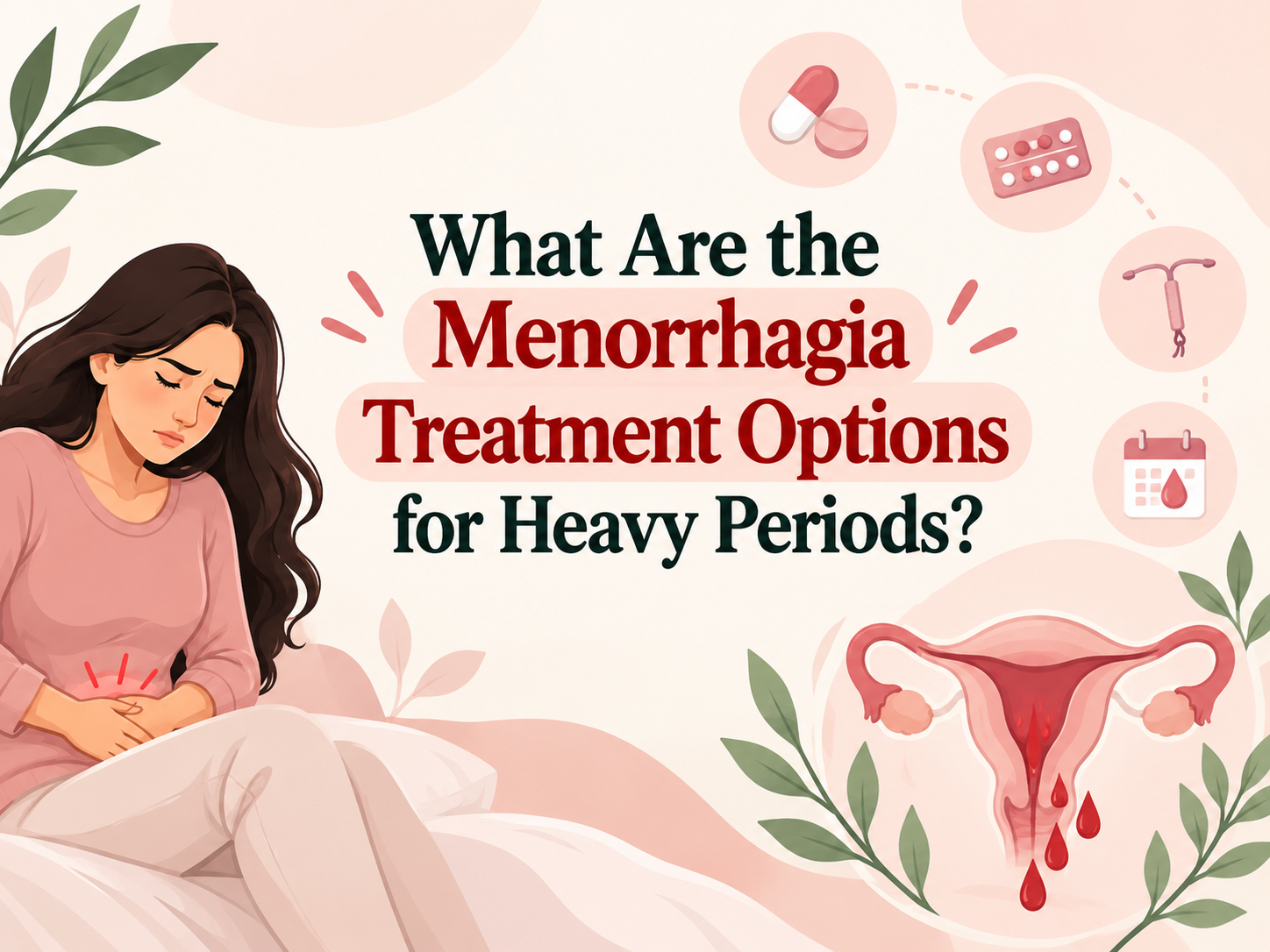
Menorrhagia treatment options for heavy periods range from tablets such as tranexamic acid and anti-inflammatory painkillers to the Mirena coil, the contraceptive pill, and in some cases minor procedures like endometrial ablation. The right option depends on your age, whether you want contraception, and whether you are hoping to have children in future.
What Counts as a Heavy Period
A period is generally considered heavy if you are changing pads or tampons every hour or two, passing clots larger than a coin, or bleeding through to your clothes or bedding. Heavy periods can leave you feeling drained, anaemic, and constantly planning your day around your cycle, which is exactly why effective treatment matters so much.
Non-Hormonal Tablet Options
- Tranexamic acid. Taken only on the heaviest days of your period, this tablet helps blood clot more effectively in the womb lining and can reduce blood loss by close to half for many women. It does not affect hormones or fertility.
- Anti-inflammatory painkillers. Medicines such as ibuprofen or mefenamic acid reduce both pain and blood loss by lowering prostaglandin levels in the womb lining, and are useful if period pain is also a problem.
Hormonal Options
- The Mirena coil (LNG-IUS). Often considered the most effective long term option, this small device sits in the womb and releases a low dose hormone that thins the womb lining. It can reduce bleeding by up to 90 percent and lasts several years, while also providing contraception.
- The combined contraceptive pill. Taken in the usual way, this can reduce blood loss by around a third and often eases period pain as well, though it is not suitable for everyone, including women over 35 who smoke or those with migraine with aura.
- Progestogen tablets. Sometimes prescribed for a set number of days each cycle, these can help regulate heavy bleeding, though hormonal side effects like breast tenderness or mood changes are possible.
Surgical Options for More Severe Cases
If tablets and hormonal treatments have not helped, or if there is a specific cause such as fibroids or polyps, your gynaecologist may discuss:
- Endometrial ablation. A day case procedure that removes or destroys the womb lining, usually resulting in much lighter periods or none at all. It is not suitable if you still want to have children.
- Fibroid or polyp removal. If growths in the womb are causing heavy bleeding, removing them can resolve the problem directly.
- Hysterectomy. Reserved for more severe or persistent cases where other treatments have not worked, this is a major operation and is usually a last resort discussed carefully with your consultant.
Getting the Right Diagnosis First
Effective treatment starts with finding out why your periods are heavy in the first place. Your gynaecologist may suggest a scan or blood tests to check for fibroids, polyps, thyroid problems, or a bleeding disorder before recommending a specific treatment. You can read further general information on managing heavy menstrual bleeding here: additional reading.
Frequently Asked Questions
How do I know if my periods count as heavy enough for treatment? If heavy bleeding is affecting your daily life, causing you to feel tired or anaemic, or involves large clots and frequent changes of protection, it is worth discussing treatment rather than just coping with it.
Does the Mirena coil stop periods completely? For some women, yes, over time. For others it simply makes periods significantly lighter. Results vary and usually settle within three to six months.
Can heavy periods be treated without hormones? Yes, tranexamic acid and anti-inflammatory painkillers are both non-hormonal options that can meaningfully reduce blood loss.
Will treatment for heavy periods affect my chances of having children later? Options like tranexamic acid, painkillers, and the pill do not affect long term fertility. Surgical options like ablation are generally only recommended if you have completed your family.
How soon will I notice a difference after starting treatment? Tablet based treatments can help from the first period you use them. The Mirena coil often takes three to six months to show its full effect.
Conclusion
Heavy periods are common, but they are not something you have to simply manage alone month after month. From straightforward tablets to longer term hormonal or surgical options, there is a genuine range of treatments available once the underlying cause is understood. If heavy periods are affecting your quality of life, contact our team at Northwest Gynaecology to book an assessment and discuss the treatment that suits you best.