
Highlight Points
- Hormones change your mood and energy each week
- Each phase has different physical symptoms in each cycle phase
- Tracking helps you understand your body better
- Simple habits help manage menstrual cycle phases and emotions
- Awareness helps reduce stress and confusion
Introduction
Many women in Manchester look for insights on how you feel at different stages of menstrual cycle, especially to understand why mood and energy levels change throughout the month. These changes are a natural part of the menstrual cycle, driven by fluctuations in hormones that influence both physical and emotional health. As your body moves through different phases of the cycle, you may notice variations in energy, focus, mood, and even sleep patterns. Understanding how your body changes during the menstrual cycle can help you feel more in control and better prepared for these shifts. It also allows you to plan your work, rest, exercise, and self-care in a way that aligns with your body’s natural rhythm.
Learning about the symptoms of each menstrual cycle phase makes it easier to manage everyday life with confidence. Simple habits like tracking your cycle, noting changes, and recognizing patterns can go a long way in improving comfort, reducing stress, and helping you respond to your body’s needs more effectively.
What Happens in Each Stage of the Menstrual Cycle?
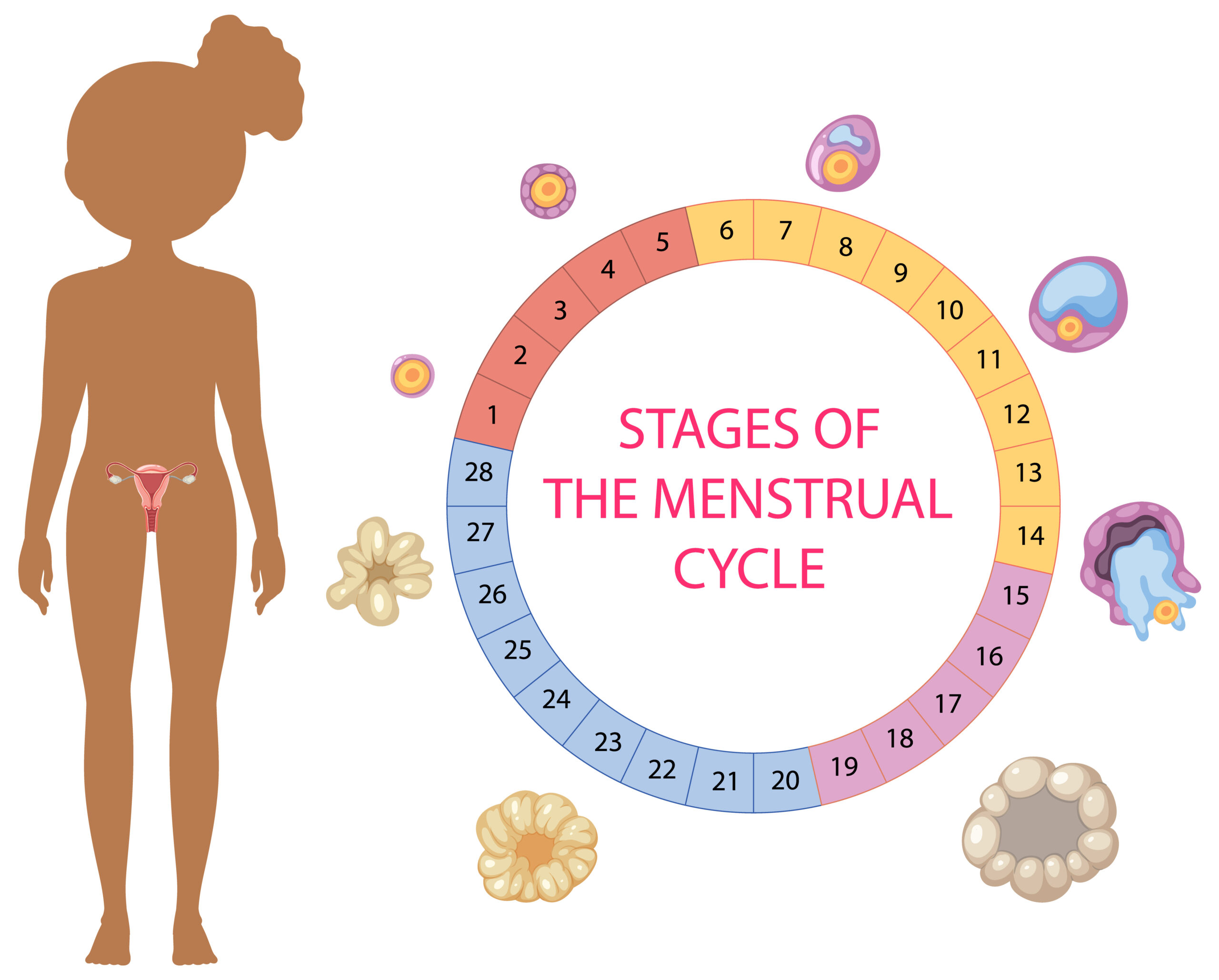
The menstrual cycle is divided into four main phases: menstrual, follicular, ovulation, and luteal. Each phase reflects different hormonal changes and influences how your body and mind feel throughout the month. Understanding what happens in each stage of menstrual cycle can help you recognize patterns and respond to your body’s needs more effectively.
During the cycle, hormones like estrogen and progesterone rise and fall. These shifts affect not just your physical health, but also your mood, energy levels, focus, and overall well-being. This is why you may feel very different from one week to another.
- Menstrual phase: The body sheds the uterine lining. Energy levels are often low, and you may feel tired, calm, or more inward-focused.
- Follicular phase: Hormones begin to rise, and your body prepares for ovulation. You may feel more motivated, fresh, and mentally clear.
- Ovulation phase: Estrogen peaks, and the body releases an egg. This is when many women feel their most confident, social, and energetic.
- Luteal phase: Progesterone rises to support a possible pregnancy. If pregnancy doesn’t occur, you may feel more sensitive, tired, or emotionally reactive as the body prepares for the next cycle.
Knowing these phases helps you better understand your body and plan your daily tasks, workouts, and rest according to your natural energy levels.
How Do You Feel During Each Phase of Menstrual Cycle?
Many women want to understand how you feel at different stages of menstrual cycle, as each phase brings noticeable emotional and physical changes. These shifts are completely normal and are influenced by hormonal patterns.
- Menstrual phase: You may feel low energy, reflective, or calm, making it a good time for rest and light activities.
- Follicular phase: Energy increases, and you may feel productive, focused, and ready to start new tasks.
- Ovulation phase: You may feel confident, outgoing, and socially active, often at your peak energy.
- Luteal phase: You might experience mood swings, fatigue, or sensitivity, and may prefer quieter, more structured routines.
These patterns clearly show how body changes during menstrual cycle can impact your everyday life—from productivity to emotions and social interactions.
Why Tracking Helps
Tracking your cycle helps you:
- Predict changes in mood and energy
- Plan important tasks during high-energy phases
- Schedule rest and self-care when energy is lower
- Identify any unusual symptoms early
By understanding and tracking these natural rhythms, you can make better decisions, reduce stress, and feel more balanced throughout your cycle.
Why Do Moods Change During Menstrual Cycle?
Many women in Manchester, UK, ask why do moods change during menstrual cycle and feel confused by emotional ups and downs. These changes are normal and happen because of hormone shifts in the body. Hormones like estrogen and progesterone control your mood, energy, and focus. When these hormone levels go up or down, your feelings also change. This is why you may feel happy and active one week, and low or tired the next.
For example, higher estrogen levels can make you feel more positive, social, and energetic. When hormone levels drop before your period, you may feel irritated, sad, or low on energy. Sleep may also get affected during this time. These changes are part of how body changes during menstrual cycle. You may also notice physical symptoms in each cycle phase like bloating, cramps, or headaches along with mood shifts.
Understanding these patterns helps you stay calm and prepared. When you know what to expect, it becomes easier to manage your day, plan your work, and take care of your mental health.
Simple steps like good sleep, healthy food, light exercise, and relaxation can help balance menstrual cycle phases and emotions. Awareness gives you better control and helps you feel more stable throughout the month.
How to Manage Mood Swings During Menstrual Cycle?
Many women in Manchester, UK, want to know how to manage mood swings during menstrual cycle. Mood changes can feel hard, but simple daily habits can help you feel more stable and in control.
Your body reacts to hormone changes, so taking care of your routine can support your mood. Small steps each day can improve energy, focus, and emotional balance.
- Get enough sleep: Sleep at the same time each night and wake up on time. Good sleep helps control hormones and reduces mood swings. Poor sleep can make you feel tired and irritated.
- Eat balanced meals: Include fruits, vegetables, whole grains, and healthy fats. Good food supports brain health and helps manage symptoms of each menstrual cycle phase.
- Stay hydrated: Drink enough water during the day. Water helps reduce bloating, fatigue, and supports your body during how body changes during menstrual cycle.
- Exercise regularly: Do light activities like walking, stretching, or yoga. Movement boosts mood and reduces stress linked to menstrual cycle phases and emotions.
- Practice relaxation: Try deep breathing, meditation, or quiet time. These habits calm your mind and help manage why do moods change during menstrual cycle.
- Track your cycle: Write down your mood, energy, and symptoms daily. This helps you understand patterns and plan better for each phase.
These small and simple steps support emotional balance and improve daily comfort. With regular care, you can manage mood swings and feel more in control throughout your cycle.
Tips to Feel Better in Each Phase of Your Cycle
Understanding how you feel at different stages of menstrual cycle can help you plan your days better and feel more comfortable. Taking care of your body during each phase improves both mood and energy.
- Track your cycle: Keep a simple diary or use an app to note your mood, energy levels, and physical symptoms. This helps you spot patterns and predict physical symptoms in each cycle phase.
- Plan your schedule wisely: Do important or demanding tasks during high-energy phases like the follicular or ovulatory phase. Save lighter or creative tasks for lower-energy phases, such as the luteal or period phase.
- Prioritize rest: Listen to your body, especially during your period. Short naps, early bedtime, or lighter workloads can help reduce fatigue and emotional stress.
- Stay active when possible: Gentle exercise like walking, yoga, or stretching during low-energy days helps with cramps and mood. During high-energy phases, engage in more social activities or workouts to boost confidence and productivity.
- Maintain healthy habits: Eat balanced meals, stay hydrated, and manage stress with meditation or breathing exercises. These habits support menstrual cycle phases and emotions and make each phase easier to handle.
Following these tips allows you to work with your body, reduce symptoms of each menstrual cycle phase, and feel more in control of your month.
FAQs
How you feel at different stages of menstrual cycle?
Feelings shift naturally throughout the month due to hormone changes. During your period, you may feel tired, calm, or low on energy. After your period, energy often returns, and you may feel more focused. During ovulation, many women feel social, confident, and more alert. In the days before your next period, emotions can be more sensitive or irritable. Tracking your cycle helps you recognize these patterns and plan your days effectively.
Why do moods change during menstrual cycle?
Hormones like estrogen and progesterone rise and fall in each phase, directly affecting brain chemistry. These changes influence how you feel, your energy levels, concentration, and emotional reactions. Understanding why do moods change during menstrual cycle helps you prepare and respond calmly instead of being surprised by sudden emotional shifts.
What are the physical symptoms in each cycle phase?
Your body goes through noticeable changes in each phase. During periods, cramps, fatigue, or bloating are common. In the follicular phase, energy and alertness may increase. Ovulation may bring mild cramps, breast tenderness, or higher libido. During the luteal phase, mood swings, bloating, or tiredness often appear. These physical symptoms in each cycle phase are natural and can guide your self-care.
How body changes during menstrual cycle?
Hormonal shifts affect more than mood—they influence appetite, sleep, energy, and physical sensations. You may notice changes in focus, irritability, or cravings at different stages. Understanding how body changes during menstrual cycle helps you adjust your routine, exercise, and nutrition to feel your best.
How to manage mood swings during menstrual cycle?
Simple habits can make a big difference. Get enough sleep, eat balanced meals, stay hydrated, and do gentle exercise. Stress management techniques like deep breathing, meditation, or yoga help calm emotions. These strategies help regulate menstrual cycle phases and emotions, making each phase easier to handle and improving overall well-being.
Conclusion
Tracking your cycle and noting symptoms of each menstrual cycle phase helps you plan your day, work, and social activities better. This awareness reduces surprises and stress, allowing you to respond to your body’s needs with confidence. Simple habits like healthy eating, regular exercise, proper sleep, and stress management support balance in menstrual cycle phases and emotions. When practiced consistently, these habits can help manage mood swings, cramps, and fatigue more effectively.
Over time, understanding your cycle gives you a strong sense of control and confidence. You can anticipate changes, adjust your routine, and feel more comfortable throughout the month. Awareness, care, and small daily habits make a meaningful difference in overall well-being. If symptoms become severe, irregular, or difficult to manage, it’s important to consult a doctor or gynecologist in Manchester for proper guidance and support. This ensures you stay informed, safe, and in control of your menstrual health at every stage of your cycle.