
Highlights
- Ovulation cramps are common in many women
- Pain may last from minutes to 2 days
- Mild cramps often show egg release
- Pain may happen on one side of the belly
- Strong pain needs medical care
Introduction
Many women begin searching for answers about how long does ovulation cramping last when these mid-cycle cramps appear for the first time or start feeling different from usual. Women aged 18 to 45 in Manchester, feeling pelvic discomfort or mild cramps in the middle of the menstrual cycle can feel confusing, especially when it happens without warning.
Some women notice a sharp pain, a pulling feeling, or mild pressure on one side of the lower belly and start wondering if it is normal or something that needs attention. In many cases, this discomfort happens during ovulation, when the ovary releases an egg as part of your natural fertility cycle.
The good news is that ovulation pain is often a healthy sign that your reproductive system is working normally. This guide explains how long does ovulation pain lasts, what ovulation cramps feel like, what causes them, and when you may need medical advice.
How Long Does Ovulation Cramping Last?
This question ‘How Long Does Ovulation Cramping Last’ many women ask when they feel pain or discomfort in the middle of their menstrual cycle. Ovulation pain usually lasts for a short time, but every woman’s body is different. Some women feel only a small twinge, while others notice stronger cramps, pressure, or a sharp pain on one side of the lower belly during ovulation.
This pain happens when the ovary releases an egg, and the small amount of fluid or stretching around the ovary can sometimes cause temporary discomfort. Common timing:
- A few minutes: Some women feel a quick sharp pain that goes away almost immediately
- A few hours: Mild cramping or pressure may stay for several hours during ovulation
- Up to 24 hours: Many women notice discomfort for most of the day
- Sometimes 1 to 2 days: In some cases, ovulation cramps may last a little longer before fully settling
The pain may feel dull, sharp, pulling, or cramp-like, and it often happens on either the left or right side depending on which ovary releases the egg that month. This helps explain how long do ovulation cramps last and why the timing can vary from one cycle to another. In most cases, mild ovulation pain is normal and goes away on its own.
What Does Ovulation Pain Feel Like?
Ovulation pain can feel different for every woman. Some feel only mild discomfort, while others notice stronger cramps in the middle of their cycle. It usually happens when the ovary releases an egg, and the pain is often felt in the lower part of the belly.
The sensation is usually short-term and not constant, but it can still feel noticeable enough to cause concern if you are not expecting it. Common feelings:
- Sharp pain: A sudden, quick stabbing sensation on one side of the lower abdomen
- Dull ache: A mild, steady discomfort that feels similar to period cramps
- Pulling feeling: A stretching or tugging sensation in the pelvic area
- Pressure on one side: A heavy or tight feeling, usually on the left or right side depending on the active ovary
Some women may also notice slight bloating, mild spotting, or increased sensitivity in the lower abdomen during ovulation. Understanding these sensations helps explain ovulation cramping how long and what to expect, making it easier to recognise that this mid-cycle pain is usually a normal part of the reproductive process.
Can Ovulation Cramps Last for Days?
Yes, in some women ovulation cramps can last longer than expected, but this is usually still mild and temporary. Most ovulation pain is short-lived, but the duration can vary depending on hormone levels, sensitivity of the body, and how the ovaries respond during the cycle. For most women, the discomfort is not constant and tends to come and go rather than stay strong all day. Normal timing:
- A few minutes: A quick sharp sensation that disappears quickly
- A few hours: Mild cramping or pressure that fades gradually
- 1 day: Common duration for noticeable ovulation discomfort
- Up to 2 days: In some cases, mild cramps may continue a little longer
If the pain becomes strong, lasts more than a couple of days, or comes with unusual symptoms like fever, heavy bleeding, or severe pelvic pain, it may not be normal ovulation pain and should be checked by a doctor. Understanding this helps you better recognize ovulation cramping how long it typically lasts and when it may need medical attention.
When Should You Worry About Ovulation Pain?
Most ovulation pain is normal and goes away on its own, but in some cases, it can signal something that needs medical attention. Paying attention to the intensity, duration, and other symptoms can help you understand when it is not just regular mid-cycle discomfort.
Ovulation pain should usually be mild, short-term, and manageable. If it becomes severe or starts affecting your daily activities, it is important to take it seriously. Warning signs:
- Severe pain: Strong or unbearable pain that does not improve with rest
- Fever: High temperature along with pelvic discomfort
- Vomiting: Feeling sick or throwing up with abdominal pain
- Heavy bleeding: Unusual bleeding that is not typical for ovulation
- Pain for many days: Discomfort that lasts longer than a few days without improvement
Women in Manchester should consult a doctor in Manchester if these symptoms continue or feel unusual, as it may not be normal ovulation pain.
What Helps Relieve Ovulation Pain?
Simple home care can help reduce discomfort and make ovulation pain easier to manage. These methods do not stop ovulation but can help relax muscles and ease mild cramping. Easy relief tips:
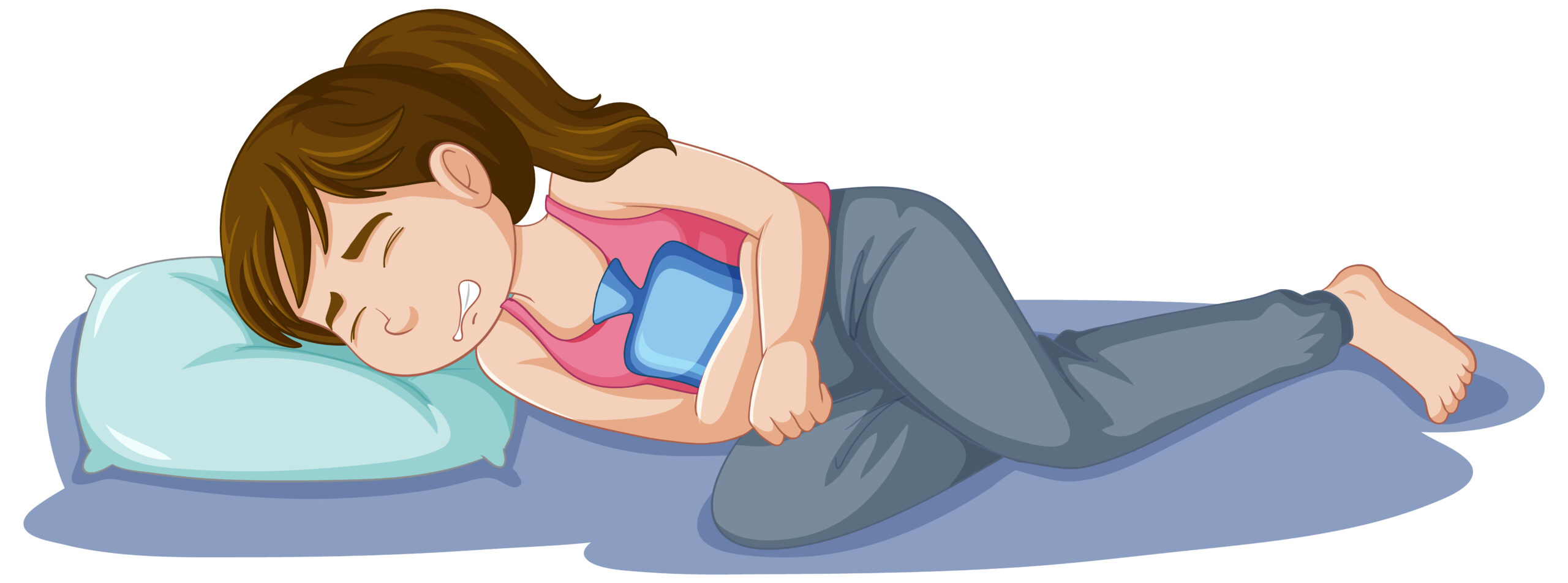
- Use warm pack: Applying heat on the lower belly can reduce cramping and improve comfort
- Drink water: Staying hydrated helps your body function smoothly and may reduce bloating
- Rest your body: Taking breaks and resting can reduce pelvic pressure
- Walk gently: Light movement improves blood flow and may ease discomfort
- Eat healthy meals: Balanced food supports hormone health and overall cycle balance
These tips can help when ovulation pain feels confusing or when you are unsure how long ovulation cramps last and how to manage them.
Tips to Track Ovulation Symptoms
Tracking your cycle helps you understand your body better and recognize normal patterns. Over time, it becomes easier to predict ovulation and understand mid-cycle changes.
Easy tips:
- Use a period tracking app
- Mark the dates when pain occurs
- Track cervical discharge changes
- Note any body changes like bloating or mood shifts
- Record whether pain is on the left or right side
This helps you understand How Long Does Ovulation Cramping Last and how your symptoms change each month.
FAQs on How Long Does Ovulation Cramping Last
How long does ovulation cramping last?
Ovulation cramping is usually short and temporary. In most cases, it lasts anywhere from a few minutes to 1 or 2 days depending on how sensitive your body is and how your ovaries respond during that cycle. The pain should gradually reduce on its own without treatment.
How long do ovulation cramps last in most women?
For most women, ovulation cramps are mild and do not last very long. They are commonly felt for a few hours or sometimes up to one day. The discomfort may come and go rather than stay constant throughout the day.
Can ovulation cramps last for days?
Yes, in some cases ovulation cramps can last for up to 2 days. However, they should remain mild and slowly improve. If the pain continues longer or becomes stronger, it may not be normal ovulation pain and should be checked.
Why do ovulation cramps happen?
Ovulation cramps happen when the ovary releases an egg during the middle of your cycle. This process can cause slight stretching, fluid release, and hormone changes, which may lead to mild pelvic pain or discomfort on one side of the lower abdomen.
Should I see a doctor for ovulation pain?
Yes. While mild ovulation pain is usually normal, you should seek medical advice if the pain is severe, unusual, or does not go away. Women in Manchester should consult a doctor in Manchester for proper diagnosis and safe guidance for How Long Does Ovulation Cramping Last.
Conclusion
Now you have a clear understanding of how long does ovulation cramping last and what symptoms are usually normal during this part of your cycle. Most ovulation cramps are mild, short-term, and happen as a natural part of your reproductive cycle when the egg is released. For many women, this discomfort is nothing to worry about and settles on its own within a short time. Knowing how long can ovulation cramps last also helps you better understand your body, track your fertility window, and notice any patterns or changes in your menstrual cycle over time.
However, if the pain becomes severe, lasts longer than usual, or comes with unusual symptoms, it should not be ignored. In such cases, women in Manchester should consult a doctor in Manchester for proper evaluation and safe care.