
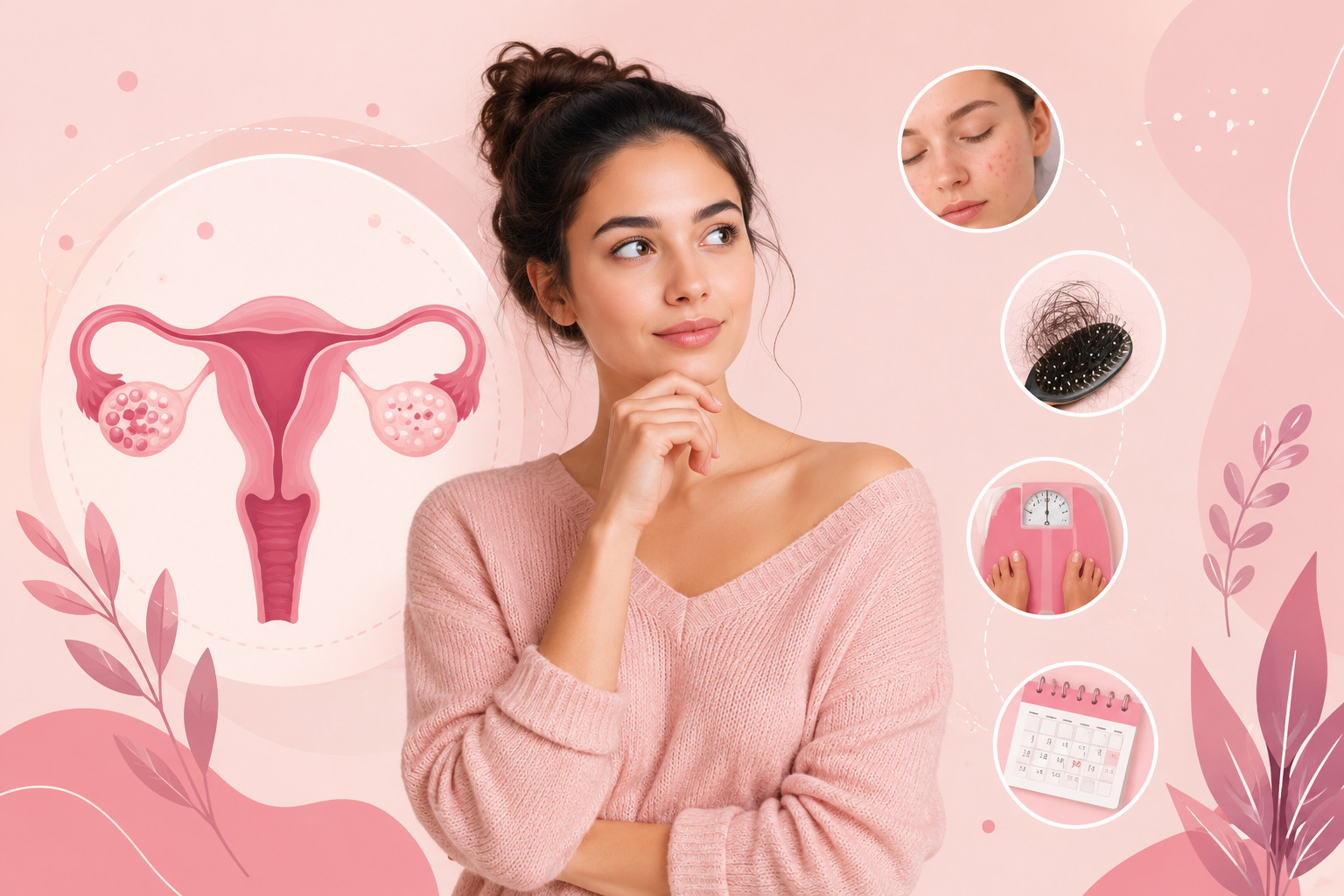
Polycystic Ovary Syndrome (PCOS) is one of the most common hormonal disorders affecting women of reproductive age. Yet, many women live with the condition for years before receiving a diagnosis because the early signs of PCOS every woman should know are often mistaken for everyday health issues such as stress, weight gain, or irregular periods.
Recognising the early signs of PCOS every woman should know can help you seek medical advice sooner, reduce the risk of long-term complications, and improve your overall quality of life. Whether you’re experiencing irregular periods, acne, unwanted facial hair, or difficulty losing weight, understanding the early signs of PCOS every woman should know is the first step towards better hormonal health.
In this comprehensive guide, we’ll answer the most common questions women ask about PCOS, explain its symptoms, causes, diagnosis, and treatment options, and help you understand when it’s time to speak to a healthcare professional.
Table of Contents
- What is PCOS?
- What are the early signs of PCOS?
- What are the first symptoms of PCOS?
- Can you have PCOS without ovarian cysts?
- Why does PCOS happen?
- Who is most at risk?
- 15 Early Signs of PCOS Every Woman Should Know
- How is PCOS diagnosed?
- Can PCOS affect fertility?
- When should you see a doctor?
- Frequently Asked Questions
- Final Thoughts
What Is PCOS?
Polycystic Ovary Syndrome (PCOS) is a hormonal condition that affects how the ovaries function. Women with PCOS often produce higher-than-normal levels of androgens (male hormones), which can interfere with ovulation and cause a wide range of symptoms.
Despite its name, not every woman with PCOS develops ovarian cysts. In fact, many women diagnosed with PCOS have normal-looking ovaries but still experience hormonal imbalances and other symptoms.
PCOS can affect:
- Menstrual cycles
- Fertility
- Weight management
- Skin health
- Hair growth
- Mental wellbeing
- Metabolic health
Early diagnosis allows women to manage symptoms effectively and reduce the risk of complications such as type 2 diabetes, high blood pressure, and infertility.
What Are the Early Signs of PCOS?
The early signs of PCOS every woman should know often develop gradually. Some women notice symptoms during their teenage years, while others only realise something is wrong when trying to conceive.
Common PCOS symptoms include:
- Irregular or missed periods
- Excess facial or body hair
- Persistent acne
- Weight gain
- Difficulty losing weight
- Hair thinning
- Fertility problems
- Darkened skin patches
- Oily skin
- Mood changes
Every woman experiences PCOS differently. Some may only have two or three symptoms, while others experience several.
What Are the First Symptoms of PCOS?
Many women ask:
What are the first symptoms of PCOS?
The earliest symptoms often include changes in your menstrual cycle and hormone-related skin concerns.
Some of the first symptoms include:
- Periods becoming irregular
- Skipping menstrual cycles
- Acne that continues into adulthood
- Increased facial hair
- Unexplained weight gain
- Difficulty becoming pregnant
If these symptoms continue for several months, it’s worth discussing them with your GP.
Why Does PCOS Happen?
Although researchers haven’t identified one single cause, several factors appear to contribute.
Genetics
PCOS often runs in families. If your mother or sister has PCOS, your chances of developing it may be higher.
Insulin Resistance
Many women with PCOS have insulin resistance, meaning their bodies struggle to use insulin effectively.
As a result:
- Blood sugar rises
- The pancreas produces more insulin
- High insulin stimulates androgen production
- Ovulation becomes disrupted
Hormonal Imbalance
Higher androgen levels can lead to:
- Acne
- Excess facial hair
- Hair thinning
- Irregular ovulation
Who Is Most at Risk of PCOS?
Although PCOS can affect women of all backgrounds, certain factors increase the likelihood.
Risk factors include:
- Family history of PCOS
- Obesity
- Insulin resistance
- Type 2 diabetes
- Early puberty
- Sedentary lifestyle
However, it’s important to know that slim women can also develop PCOS.
15 Early Signs of PCOS Every Woman Should Know
1. Irregular Periods
One of the most common symptoms of PCOS in women is an irregular menstrual cycle.
You may notice:
- Periods arriving months apart
- Cycles longer than 35 days
- Very light periods
- Very heavy bleeding
- Missing periods altogether
Irregular ovulation is usually responsible for these changes.
2. Missed Periods
Many women initially dismiss missed periods as stress-related.
However, if you regularly miss periods and are not pregnant, this may indicate PCOS.
Ovulation may stop completely for several months.
3. Excess Facial Hair (Hirsutism)
High androgen levels may cause unwanted hair growth on:
- Chin
- Upper lip
- Neck
- Chest
- Stomach
- Back
This symptom affects many women living with PCOS and is often one of the most distressing.
4. Persistent Acne
Adult acne that doesn’t improve with skincare products may be linked to hormonal imbalance.
PCOS-related acne commonly appears on:
- Jawline
- Chin
- Neck
- Lower cheeks
These breakouts are often deep, painful, and recurring.
5. Unexplained Weight Gain
Many women with PCOS gain weight even when maintaining a healthy lifestyle.
Weight gain often occurs around the abdomen due to insulin resistance and hormonal changes.
Losing weight can also become much more difficult than expected.
6. Difficulty Losing Weight
Even with regular exercise and healthy eating, women with PCOS often struggle to lose weight.
Hormonal imbalance affects:
- Metabolism
- Appetite
- Fat storage
- Blood sugar regulation
This doesn’t mean weight loss is impossible—it simply requires a more personalised approach.
7. Hair Thinning or Hair Loss
While some women notice excess hair growth on the face and body, they may simultaneously experience thinning hair on the scalp.
This pattern resembles male-pattern hair loss and usually begins near the crown or hairline.
Hair loss caused by PCOS can become more noticeable over time if hormone levels remain untreated.
8. Oily Skin
Can oily skin be a sign of PCOS?
Yes. One of the early signs of PCOS every woman should know is excessively oily skin caused by increased androgen (male hormone) levels.
Your skin may:
- Produce excess oil throughout the day
- Feel greasy even after cleansing
- Develop enlarged pores
- Be more prone to acne breakouts
If oily skin appears alongside irregular periods or excess facial hair, it may indicate an underlying hormonal imbalance rather than a simple skincare issue.
9. Dark Patches of Skin (Acanthosis Nigricans)
Why do some women with PCOS develop dark skin patches?
Dark, velvety patches of skin can develop due to insulin resistance, which is common in women with PCOS.
These patches often appear on:
- The back of the neck
- Under the arms
- Groin area
- Elbows
- Knees
Although harmless, they can be an important warning sign that your body is struggling to regulate blood sugar effectively.
10. Skin Tags
Are skin tags linked to PCOS?
Yes. Women with insulin resistance are more likely to develop small, soft skin tags.
Common locations include:
- Neck
- Underarms
- Eyelids
- Groin
While skin tags are generally benign, they can occur more frequently in women with PCOS due to hormonal and metabolic changes.
11. Difficulty Getting Pregnant
Can PCOS affect fertility?
Yes. One of the most significant early signs of PCOS every woman should know is difficulty becoming pregnant.
Because PCOS often prevents regular ovulation, releasing an egg each month may become unpredictable or stop altogether.
This can make conception more difficult, but many women with PCOS go on to have healthy pregnancies with the right treatment and support.
12. Mood Changes
Does PCOS affect mental health?
Research suggests women with PCOS are more likely to experience:
- Anxiety
- Depression
- Mood swings
- Low self-esteem
- Emotional stress
These changes may result from hormonal fluctuations, the impact of physical symptoms, or the challenges of managing a long-term condition.
Looking after mental wellbeing is an important part of managing PCOS.
13. Fatigue
Why does PCOS cause tiredness?
Many women with PCOS report feeling exhausted despite getting enough sleep.
Possible reasons include:
- Insulin resistance
- Hormonal imbalance
- Poor sleep quality
- Inflammation
- Weight-related factors
Persistent fatigue should never be ignored, particularly if it occurs alongside other symptoms of PCOS in women.
14. Pelvic Pain
Does PCOS cause pelvic pain?
Some women experience mild pelvic discomfort, especially around the time of ovulation.
Although PCOS itself doesn’t always cause pain, enlarged ovaries or associated conditions may contribute to:
- Lower abdominal discomfort
- Pelvic pressure
- Occasional cramping
Persistent or severe pelvic pain should always be assessed by a healthcare professional to rule out other conditions such as endometriosis or ovarian cyst complications.
15. Sleep Problems
Can PCOS affect sleep?
Yes. Women with PCOS are more likely to experience:
- Poor-quality sleep
- Difficulty falling asleep
- Frequent waking
- Sleep apnoea, particularly if overweight
Poor sleep can worsen insulin resistance, increase stress hormones, and make other PCOS symptoms more difficult to manage.
Can You Have PCOS Without Ovarian Cysts?
Can you have PCOS without ovarian cysts?
Absolutely.
This is one of the biggest misconceptions about the condition.
Many women diagnosed with PCOS do not have ovarian cysts visible on an ultrasound scan.
Doctors usually diagnose PCOS using the Rotterdam Criteria, which require at least two of the following three features:
- Irregular or absent ovulation
- High androgen levels (shown by symptoms or blood tests)
- Polycystic ovaries visible on ultrasound
This means you can have PCOS even if your ovaries appear normal.
How Is PCOS Diagnosed?
How do you know if you have PCOS?
There isn’t a single test that confirms PCOS. Instead, your doctor will assess your symptoms and may recommend several investigations.
Your GP may ask about:
- Your menstrual cycle
- Weight changes
- Hair growth
- Acne
- Family history
- Fertility concerns
Blood tests may include:
- Testosterone levels
- LH and FSH hormones
- Thyroid function
- Prolactin
- Blood sugar levels
- Cholesterol
Ultrasound Scan
A pelvic ultrasound can help identify enlarged ovaries or multiple small follicles, although this isn’t required for every diagnosis.
What Causes PCOS in Women?
What causes PCOS?
Although the exact cause remains unknown, experts believe PCOS develops due to a combination of factors.
Genetics
PCOS often runs in families.
Insulin Resistance
Around half of women with PCOS have insulin resistance, increasing the risk of:
- Type 2 diabetes
- Weight gain
- Cardiovascular disease
Hormonal Imbalance
Higher androgen levels interfere with normal ovulation and contribute to symptoms such as acne, excess hair growth, and hair thinning.
Inflammation
Low-grade inflammation may also play a role by stimulating the ovaries to produce more androgens.
Does PCOS Cause Weight Gain?
Why do many women with PCOS gain weight?
Weight gain is a common symptom but not every woman with PCOS is overweight.
Hormonal changes can:
- Increase appetite
- Slow metabolism
- Promote fat storage around the abdomen
- Make losing weight more challenging
Even a modest weight loss of 5–10% of body weight can improve hormone balance and help restore regular ovulation in some women.
Can PCOS Affect Fertility?
Does PCOS always cause infertility?
No.
Many women with PCOS conceive naturally.
However, irregular ovulation can make pregnancy take longer.
The good news is that fertility treatments and lifestyle changes can significantly improve the chances of conception.
Treatment options may include:
- Weight management
- Ovulation-inducing medication
- Hormone therapy
- Assisted reproductive techniques, if needed
When Should You See a Doctor for PCOS?
You should arrange a medical appointment if you experience:
- Irregular periods for several months
- No periods without pregnancy
- Excess facial hair
- Persistent acne
- Difficulty becoming pregnant
- Unexplained weight gain
- Hair thinning
- Dark patches of skin
- Symptoms affecting your daily life
Early diagnosis allows you to begin treatment sooner and reduce the risk of long-term complications.
Can PCOS Develop Later in Life?
Can PCOS start in your 20s or 30s?
Yes.
Although many women notice symptoms during adolescence, others don’t develop noticeable symptoms until their 20s or 30s. Hormonal changes, weight fluctuations, or trying to conceive may make the condition more apparent.
Some women only discover they have PCOS after seeking medical advice for irregular periods or fertility concerns.
Is PCOS Curable?
Is PCOS curable?
Currently, there is no permanent cure for Polycystic Ovary Syndrome (PCOS). However, it is a highly manageable condition. With the right combination of lifestyle changes, medical treatment, and regular monitoring, many women successfully control their symptoms and lead healthy, active lives.
The goal of treatment is to:
- Improve hormone balance
- Restore regular ovulation
- Manage weight
- Reduce acne and excess hair growth
- Improve fertility where needed
- Lower the risk of long-term health complications
Early diagnosis and consistent management often make the biggest difference.
What Are the Best Lifestyle Changes for Managing PCOS?
Can lifestyle changes improve PCOS symptoms?
Yes. Lifestyle changes are often the first line of treatment and can significantly improve symptoms, particularly for women who are overweight or have insulin resistance.
1. Maintain a Healthy Weight
Losing even 5–10% of your body weight may help:
- Improve ovulation
- Regulate menstrual cycles
- Lower insulin levels
- Improve fertility
- Reduce androgen levels
Remember, every woman’s body responds differently. The focus should be on sustainable habits rather than rapid weight loss.
2. Eat a Balanced Diet
A healthy eating pattern can help manage blood sugar and support hormone balance.
Choose foods such as:
- Whole grains
- Oats
- Brown rice
- Fresh vegetables
- Fruits
- Lean proteins
- Fish
- Eggs
- Nuts and seeds
- Healthy fats like olive oil and avocado
Limit:
- Sugary drinks
- Refined carbohydrates
- Highly processed foods
- Excess sweets
- Fast food
A balanced diet may help improve insulin resistance, which is a common feature of PCOS.
3. Exercise Regularly
Regular physical activity can:
- Improve insulin sensitivity
- Support weight management
- Reduce stress
- Improve mood
- Promote better sleep
Aim for at least 150 minutes of moderate exercise each week, such as:
- Brisk walking
- Cycling
- Swimming
- Strength training
- Yoga
4. Prioritise Sleep
Poor sleep can worsen hormone imbalance and insulin resistance.
Healthy sleep habits include:
- Going to bed at the same time each night
- Limiting screen time before bed
- Creating a cool, dark sleeping environment
- Avoiding caffeine late in the day
5. Manage Stress
Chronic stress can affect hormone levels and make symptoms feel worse.
Helpful stress-management techniques include:
- Meditation
- Deep breathing
- Mindfulness
- Journalling
- Spending time outdoors
- Talking to friends, family, or a mental health professional
What Medical Treatments Are Available for PCOS?
How is PCOS treated?
Treatment depends on your symptoms, age, and whether you’re planning a pregnancy.
Your healthcare professional may recommend:
Hormonal Contraception
Combined oral contraceptive pills may help:
- Regulate periods
- Reduce acne
- Lower androgen levels
- Improve excess hair growth
Medicines to Improve Insulin Resistance
Some women may benefit from medication that helps improve insulin sensitivity, particularly if blood sugar levels are affected.
Fertility Treatments
If you’re trying to conceive, your doctor may recommend treatments that encourage regular ovulation.
In some cases, referral to a fertility specialist may be appropriate.
Acne and Hair Growth Treatments
Depending on your symptoms, additional treatments may help manage:
- Acne
- Excess facial hair
- Hair thinning
Always discuss treatment options with a qualified healthcare professional.
What Happens If PCOS Is Left Untreated?
Can untreated PCOS cause health problems?
Yes. Without appropriate management, PCOS may increase the risk of several long-term conditions.
These include:
- Type 2 diabetes
- High blood pressure
- High cholesterol
- Heart disease
- Sleep apnoea
- Infertility
- Endometrial hyperplasia
- Endometrial cancer (due to prolonged absence of periods in some women)
Regular medical reviews and healthy lifestyle habits can help reduce these risks.
Can You Prevent PCOS?
Is it possible to prevent PCOS?
Because genetics play an important role, there is no guaranteed way to prevent PCOS.
However, maintaining a healthy lifestyle may reduce the severity of symptoms and lower the risk of complications.
Helpful habits include:
- Eating a balanced diet
- Staying physically active
- Maintaining a healthy weight
- Managing stress
- Getting enough sleep
- Attending regular health check-ups
Frequently Asked Questions
1. What are the early signs of PCOS?
The early signs of PCOS every woman should know include:
- Irregular periods
- Persistent acne
- Excess facial hair
- Weight gain
- Hair thinning
- Oily skin
- Dark skin patches
- Difficulty becoming pregnant
2. How do I know if I have PCOS?
You may have PCOS if you experience irregular periods, signs of excess androgens (such as acne or unwanted hair growth), or fertility problems. A GP can assess your symptoms and arrange blood tests or an ultrasound if needed.
3. Can you have PCOS without ovarian cysts?
Yes. Many women diagnosed with PCOS do not have ovarian cysts visible on an ultrasound. Diagnosis is based on a combination of symptoms, hormone levels, and ovarian appearance.
4. What age does PCOS usually start?
Symptoms often begin during the teenage years, but some women are not diagnosed until their 20s or 30s.
5. Does PCOS cause weight gain?
PCOS can make weight management more difficult due to hormonal imbalance and insulin resistance. However, not all women with PCOS are overweight.
6. Does PCOS cause acne?
Yes. Increased androgen levels can stimulate oil production, leading to persistent acne, especially on the jawline, chin, and neck.
7. Does PCOS affect fertility?
PCOS can make it more difficult to become pregnant because it may interfere with regular ovulation. However, many women with PCOS conceive naturally or with medical support.
8. When should I see a doctor for PCOS?
You should seek medical advice if you experience:
- Irregular or absent periods
- Excess facial or body hair
- Persistent acne
- Hair thinning
- Difficulty becoming pregnant
- Unexplained weight gain
9. Can losing weight help PCOS?
For women who are overweight, even modest weight loss may improve hormone balance, support regular ovulation, and reduce symptoms.
10. Is PCOS a lifelong condition?
PCOS is generally considered a long-term condition. While it cannot currently be cured, symptoms can often be managed successfully through lifestyle changes, medical treatment, and ongoing healthcare support.
Key Takeaways
Understanding the early signs of PCOS every woman should know can lead to earlier diagnosis and better long-term health outcomes.
Watch for symptoms such as:
- Irregular or missed periods
- Persistent acne
- Excess facial hair
- Hair thinning
- Weight gain
- Difficulty losing weight
- Dark patches of skin
- Oily skin
- Fertility problems
- Fatigue
If these symptoms sound familiar, don’t ignore them. Early assessment and personalised care can make a significant difference to your health and wellbeing.
Final Thoughts
PCOS affects millions of women worldwide, yet it often goes undiagnosed for years because the symptoms can be mistaken for everyday health concerns. Knowing the early signs of PCOS every woman should know empowers you to take action sooner rather than later.
If you’re experiencing irregular periods, persistent acne, unwanted hair growth, unexplained weight changes, or difficulty becoming pregnant, it’s worth speaking with your GP or a women’s health specialist. A timely diagnosis can help you manage symptoms, protect your fertility, and reduce the risk of future health complications.
Remember, every woman’s experience with PCOS is unique. The right combination of medical care, healthy lifestyle choices, and ongoing support can help you take control of your hormonal health and improve your quality of life.
Medical Disclaimer
This article is intended for general educational purposes only and should not replace professional medical advice, diagnosis, or treatment. If you think you may have PCOS or have concerns about your symptoms, consult your GP or a qualified healthcare professional for personalised assessment and care.