
Highlights
- Does period flow reduce after 30 is a common women’s health question
- Hormone balance changes may affect menstrual flow
- Many women notice lighter and shorter periods in their 30s
- Healthy habits may support menstrual wellness after 30
- Severe cycle changes need medical attention
Introduction
Many women ask, ‘Does period flow reduce after 30?’ when they begin noticing lighter periods, shorter menstrual cycles, or changes in menstrual symptoms during their 30s. In many cases, these cycle changes happen because of natural hormonal shifts, age-related body changes, stress levels, lifestyle habits, pregnancy history, or overall reproductive health. Some women experience lighter bleeding, fewer cramps, shorter periods, or more regular cycles compared to earlier years. Others may notice small differences in flow intensity, cycle timing, or period duration from month to month.
However, sudden severe changes, missed periods, very heavy bleeding, strong pelvic pain, dizziness, or irregular cycles should never be ignored. Women should speak with a healthcare professional if symptoms become unusual or begin affecting daily life.
Does Period Flow Reduce After 30? 5 Positive Signs
Menstrual cycles naturally change over time, and many women begin noticing these changes during their 30s. Hormones, lifestyle habits, stress levels, metabolism, pregnancy history, and overall reproductive health can all influence menstrual flow, cramp intensity, and cycle length. The question ‘Does period flow reduce after 30’ is very common because many women notice lighter bleeding, shorter periods, or fewer cramps as they get older. In many cases, these changes are linked to natural hormonal adjustments and improved body balance over time. Many women also ask, why does menstrual flow change after 30, especially when their periods begin feeling different compared to their teenage years or early 20s. For many women, these changes are completely normal and may even feel more comfortable.
These are common period changes in 30s women and often happen gradually over time.
- Lighter Bleeding May Feel More Comfortable
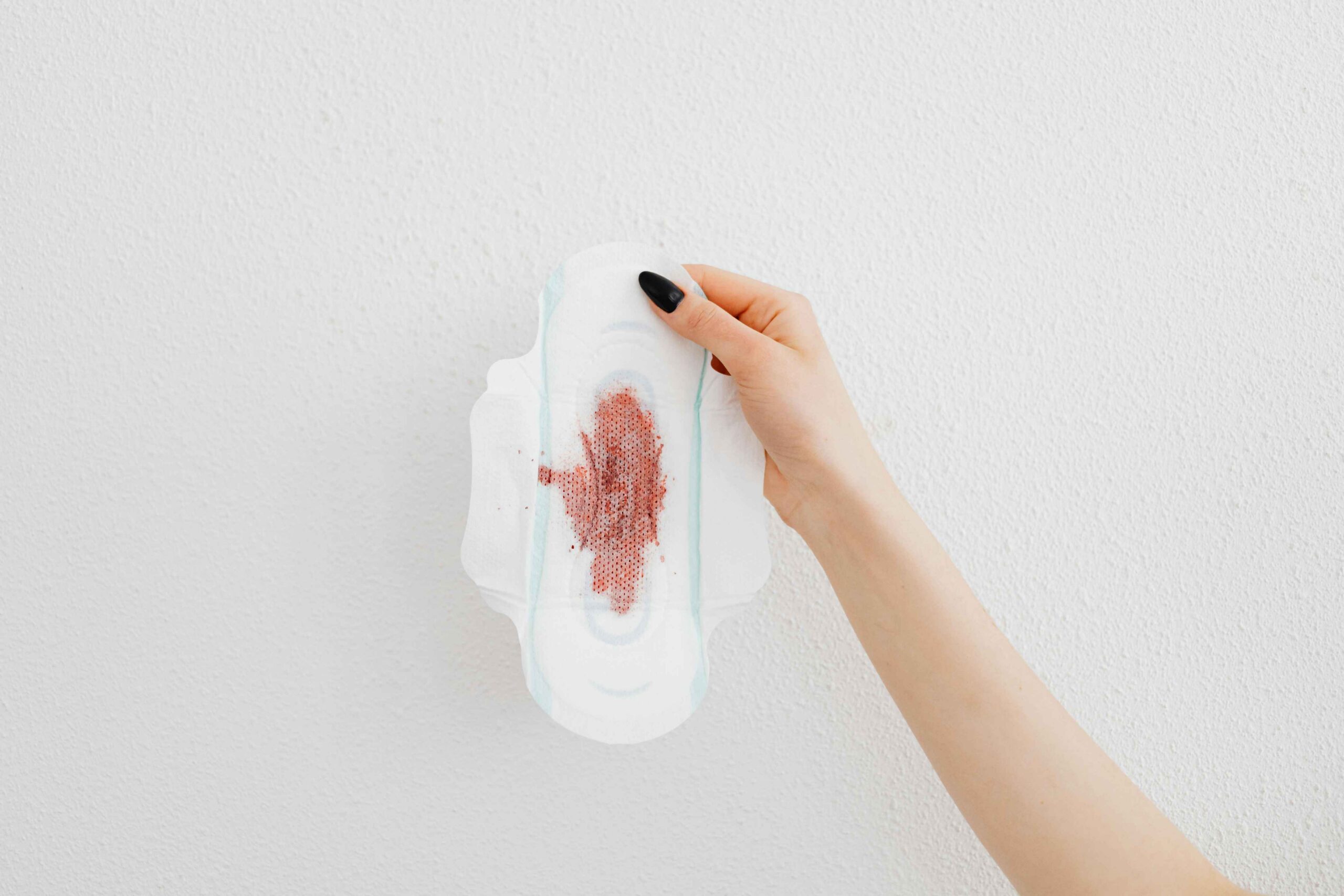
One of the most common changes women notice after 30 is lighter menstrual flow. Hormonal shifts may affect how much uterine lining builds each month, which can lead to reduced bleeding during periods. Many women feel more comfortable managing lighter periods because they may experience:
- Less discomfort
- Fewer heavy flow days
- Reduced clotting
- Better daily comfort during menstruation
- Shorter Periods Can Happen Naturally
Some women notice that their periods last fewer days after turning 30. A cycle that once lasted 6–7 days may become shorter over time due to natural reproductive hormone changes. Shorter periods may also make it easier for women to manage work, sleep, exercise, and daily activities during menstruation.
- Fewer Cramps May Improve Menstrual Comfort
Many women experience less painful periods during their 30s. Hormonal balance, lifestyle improvements, stress reduction, or body changes after pregnancy may reduce menstrual cramps over time. Women asking does period flow reduce after 30 may also notice:
- Less pelvic pain
- Reduced lower back discomfort
- Less bloating during periods
- Improved energy levels
- More Regular Cycles May Develop
For some women, menstrual cycles become more predictable in their 30s. Improved hormone balance, healthier routines, or stable lifestyle habits may support regular ovulation and smoother cycles. More regular periods may help women:
- Track ovulation more easily
- Better understand cycle timing
- Feel more confident about menstrual health
- Mild Hormonal Changes Are Normal After 30
Understanding hormonal changes after 30 in women is important because hormones naturally shift with age. Estrogen and progesterone levels may slowly change, affecting menstrual flow, mood, cramps, and PMS symptoms. These mild hormone changes are usually part of normal reproductive aging and may not indicate any serious health problem.
However, sudden heavy bleeding, missed periods, severe pain, dizziness, or unusual symptoms should always be checked by a healthcare professional for proper care and evaluation.
Why Does Menstrual Flow Change After 30?
Many women notice that their periods feel different after entering their 30s. Some women experience lighter bleeding, shorter periods, fewer cramps, or more regular cycles, while others may notice small changes in flow, timing, or menstrual symptoms. These changes are often part of natural reproductive and hormonal changes that happen with age.
For many women, these menstrual flow changes with age happen slowly and naturally without indicating a serious health problem.
Ovulation Changes Can Affect Period Flow
Ovulation patterns may slowly change after 30. Some cycles may become more regular, while others may release eggs differently than before. These changes can affect how much uterine lining builds during the month, which may lead to lighter or shorter periods. Some women also notice reduced cramping or fewer PMS symptoms because of these ovulation-related changes.
Hormone Balance Shifts Are Common After 30
Understanding hormonal changes after 30 in women helps explain why menstrual flow may change. Hormones such as oestrogen and progesterone naturally fluctuate over time, and these shifts may affect:
- Period flow amount
- Cramp intensity
- PMS symptoms
- Period length
- Cycle regularity
In many healthy women, mild hormone changes are a normal part of reproductive aging.
Stress Levels Can Influence Menstrual Cycles
Stress can strongly affect hormone balance and menstrual timing. Emotional stress, anxiety, poor sleep, busy routines, or mental pressure may change ovulation patterns and period flow. High stress levels may sometimes cause:
- Lighter periods
- Delayed periods
- Irregular cycles
- Increased PMS symptoms
Reducing stress through healthy habits may help support more balanced menstrual cycles.
Weight Changes May Affect Hormones
Body weight changes can influence oestrogen levels and menstrual health. Sudden weight loss, weight gain, or major diet changes may affect menstrual flow and cycle regularity. Healthy nutrition and stable body weight often support smoother menstrual cycles and better reproductive health.
Lifestyle Habits Play an Important Role
Daily habits can affect overall hormone balance and menstrual wellness. Women who maintain healthy routines may notice more comfortable periods during their 30s. Helpful lifestyle habits include:
- Regular exercise
- Healthy sleep
- Balanced meals
- Hydration
- Stress management
These healthy routines may support better menstrual health and improve cycle comfort over time. However, sudden severe changes, heavy bleeding, dizziness, severe pelvic pain, or missed periods should always be checked by a healthcare professional for proper care and guidance.
When Should You Worry About Menstrual Changes?
Some menstrual changes are normal, but some signs need medical care. Paying attention to your body helps you stay safe. Warning signs include:
- Missed periods for many months
- Severe or sharp cramps
- Very heavy bleeding or clots
- Sudden cycle changes without reason
- Dizziness, weakness, or fatigue
These symptoms may point to hormone issues or other health conditions. Women should not ignore these signs, especially if they continue. If symptoms affect daily life, it is important to seek medical advice early.
Should You Visit a Gynaecologist for Period Changes After 30?
A gynaecologist helps women understand menstrual health changes in a safe and clear way. This is very helpful after 30 when hormones start shifting. Doctor support may help with:
- Hormone imbalance concerns
- Irregular or missed periods
- Fertility questions or planning
- Severe pain or unusual bleeding
Women in Manchester, UK can book a gynaecologist consultation for period changes after 30 for proper check-up and guidance. Early advice helps prevent bigger health problems later.
Tips for Better Hormonal Health After 30
Healthy daily habits support stable hormones and better periods. Small steps can make a big difference over time. Daily wellness tips:
- Follow healthy eating habits with balanced meals
- Stay physically active with simple workouts
- Manage stress through rest and calm routines
- Track menstrual cycles to notice changes early
- Avoid poor sleep habits and late nights
These habits help improve energy, mood, and cycle regularity. A balanced lifestyle supports long-term reproductive health.
FAQs on Does Period Flow Reduce After 30
Does period flow reduce after 30?
Yes, many women notice lighter or shorter periods after 30 due to natural hormonal changes and lifestyle factors.
Is lighter period normal after 30?
Yes, mild changes in flow, duration, or cycle timing are common and usually not a cause for concern.
Why does menstrual flow change after 30?
Hormonal shifts, stress levels, ovulation changes, weight fluctuations, and lifestyle habits can all affect menstrual flow.
What are common period changes in women in their 30s?
Women may notice lighter flow, shorter periods, fewer cramps, or slightly more regular cycles over time.
When should I worry about lighter periods?
You should consult a doctor if periods stop suddenly, become highly irregular, or come with pain or other unusual symptoms.
Should I get a gynaecologist consultation for period changes after 30?
Yes, a consultation can help check hormone levels and rule out any underlying health issues if changes feel unusual or persistent.
Conclusion
Many women ask, Does period flow reduce after 30, when they start noticing lighter bleeding, shorter periods, or small changes in their menstrual cycle. In most cases, these changes are linked to natural menstrual flow changes with age, along with gradual hormone shifts and lifestyle factors such as sleep, stress, diet, and physical activity. For many women, the 30s can also bring more stable cycles, fewer cramps, and improved menstrual regularity, which may feel like a positive sign of better hormonal balance and overall reproductive health. However, every woman’s body is different, so cycle changes can vary from person to person.
At the same time, it is important to stay aware of your menstrual health. Sudden or extreme changes such as very heavy bleeding, missed periods, severe pain, or unusual symptoms should never be ignored. These may sometimes indicate an underlying health issue that needs medical attention.
Understanding your body, tracking your cycle, and paying attention to changes can help you stay more confident and informed about your reproductive health. If anything feels unusual or persistent, speaking with a doctor in Manchester is always the safest and most reliable step.