
Highlights
- Mild uterus pain during pregnancy can happen in healthy pregnancy
- Stretching and hormone changes may cause cramps or pressure
- Early pregnancy pain may feel like period cramps
- Many women in Manchester, UK search for pregnancy pain answers
- Severe pain or bleeding needs medical attention
Introduction
Do You Feel Pain in Your Uterus When Pregnant? 7 Normal Reasons
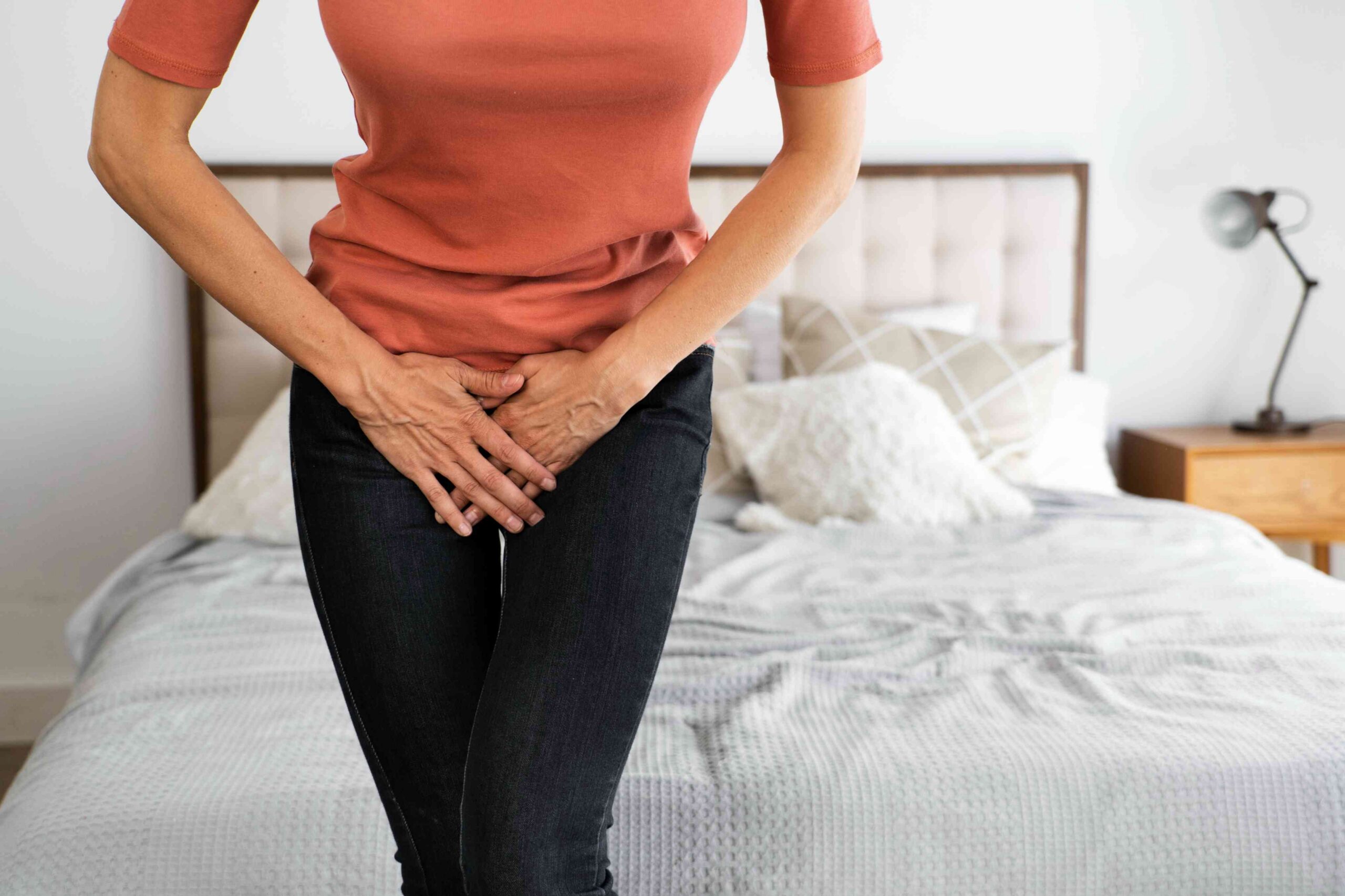
Pregnancy changes the body in many ways from the very first weeks. The uterus grows, stretches, and adjusts continuously to support the developing baby during every stage of pregnancy. Because of these changes, many women notice mild pressure, cramps, or pulling feelings in the lower abdomen. The question do you feel pain in your uterus when pregnant often relates to normal body changes, hormone shifts, and uterus stretching during pregnancy. In most healthy pregnancies, mild discomfort is common and usually temporary.
Here are 7 common and normal reasons for uterus discomfort during pregnancy:
- Uterus Stretching in Pregnancy
One of the most common reasons for mild pain is uterus stretching in pregnancy. The uterus starts expanding very early to make space for the growing baby. This stretching may cause:
- Tightness
- Pulling feelings
- Mild lower stomach discomfort
- Pressure near the pelvis
These feelings are often mild and may come and go during the day.
- Hormone Changes
Pregnancy hormones begin increasing quickly after conception. These hormones help prepare the body for pregnancy but can also affect muscles and ligaments. Hormone changes may cause:
- Mild cramps
- Bloating
- Muscle relaxation
- Body aches and pressure
Hormonal shifts are a normal part of early pregnancy changes.
- Increased Blood Flow
During pregnancy, blood flow increases to support the uterus and baby. This extra circulation can sometimes create pressure or mild pelvic discomfort. Some women notice:
- Warmth in the pelvic area
- Mild heaviness
- Light throbbing feelings
- Temporary pressure sensations
This is often part of normal pregnancy development.
- Ligament Stretching
As the uterus grows, the ligaments supporting it also stretch. This can create a pulling or sharp feeling, especially when standing, walking, or changing position quickly. Ligament stretching may feel like:
- Side pain
- Pulling near the hips
- Tightness in the lower abdomen
- Sudden mild aches
This is common during the first and second trimesters.
- Gas and Bloating
Pregnancy hormones slow digestion, which can lead to gas, bloating, and pressure in the abdomen. This may cause:
- Stomach tightness
- Mild cramps
- Fullness or heaviness
- Lower abdominal discomfort
Many women mistake bloating pain for uterus pain during pregnancy.
- Implantation Changes in Early Pregnancy
In very early pregnancy, some women feel light cramping when the fertilized egg attaches to the uterus lining. This may include:
- Mild cramps
- Spotting
- Pulling feelings
- Lower pelvic pressure
Implantation discomfort usually stays mild and short-lasting.
- Body Adjustment to Pregnancy
The body works hard to adjust to pregnancy changes. Muscles, organs, hormones, and posture all begin changing to support the baby. These adjustments may create:
- Mild body aches
- Pelvic pressure
- Lower stomach discomfort
- Temporary cramps or tightness
In most cases, these feelings are normal and improve with rest, hydration, and healthy habits. While mild discomfort is common, severe pain, heavy bleeding, fever, or dizziness should always be checked by a healthcare professional for proper pregnancy care.
Is Uterus Pain Normal During Pregnancy?
Yes, mild uterus pain can be normal during pregnancy, especially during the early weeks and first trimester. As pregnancy develops, the uterus begins expanding and stretching to support the growing baby, which can create different sensations in the lower abdomen and pelvic area. In most healthy pregnancies, these feelings happen because of natural body changes, hormone shifts, and stretching muscles and ligaments. Hormones released during pregnancy help relax muscles and prepare the body for growth. At the same time, the uterus increases in size very quickly, which may create mild discomfort or pulling sensations. Common normal symptoms include:
- Mild cramping
- Stretching feeling in the lower abdomen
- Pelvic pressure
- Light discomfort during movement
- Tightness near the uterus
- Pulling sensation when walking or standing
- Mild aches that come and go
Many women also notice that symptoms feel stronger after physical activity, sudden movement, or long periods of standing. In most cases, these feelings improve with rest, hydration, and gentle movement. Mild uterus pain during pregnancy is often temporary and part of the body adjusting to pregnancy changes. However, severe pain, heavy bleeding, fever, dizziness, or strong cramps should always be checked by a healthcare professional for proper pregnancy care and safety.
When Should I Worry About Uterus Pain During Pregnancy?
Mild uterus pain often stays normal during pregnancy because the body, muscles, and uterus continue adjusting to support the growing baby. However, severe or unusual symptoms should always be taken seriously and checked by a healthcare professional. Many women search for answers to when should I worry about uterus pain during pregnancy because it can sometimes feel difficult to know the difference between normal discomfort and warning signs. You should contact a doctor immediately if you notice:
- Heavy bleeding
- Strong or severe cramps
- Fever or chills
- Dizziness or fainting
- Sharp one-sided pain
- Severe pelvic pressure
- Pain that suddenly becomes worse
These symptoms may need urgent medical attention to protect both mother and baby health. Women in Manchester can contact local pregnancy clinics or healthcare professionals for proper support and pregnancy care if symptoms feel severe or unusual.
Tips to Reduce Mild Uterus Pain Naturally
Healthy habits may help improve comfort and reduce mild pregnancy discomfort naturally. Simple daily care can help relax muscles, improve circulation, and support the body during pregnancy changes. Helpful tips include:
- Rest often during the day
- Drink enough water regularly
- Walk gently for light movement
- Sleep properly and comfortably
- Use a warm bath for relaxation
- Avoid heavy lifting or sudden movement
- Eat healthy and balanced meals
These habits may help reduce mild cramps, stretching discomfort, and pelvic pressure during pregnancy.
When Should You Visit the Best Gynaecologist for Pregnancy Symptoms?
Some pregnancy symptoms should never be ignored. A gynaecologist can help check the health of both the mother and baby and provide proper pregnancy guidance and treatment if needed. You should contact the best gynaecologist for pregnancy symptoms if pain becomes severe or unusual or happens with other warning signs. Warning signs include:
- Heavy bleeding
- Severe pelvic pain
- Fainting or dizziness
- High fever
- Sudden swelling
- Severe headaches
- Sharp abdominal pain
Women in Manchester can visit local pregnancy clinics, maternity centers, or women’s health specialists for proper pregnancy care and medical support.
FAQs on Do You Feel Pain in Your Uterus When Pregnant
Do you feel pain in your uterus when pregnant?
Yes, many women feel mild cramps, stretching, pressure, or pulling sensations during pregnancy, especially in the early weeks.
Is uterus pain normal in early pregnancy?
Yes, light cramps, pelvic pressure, and pulling feelings often happen during the first trimester as the body adjusts to pregnancy.
When should I worry about uterus pain during pregnancy?
You should contact a doctor if pain becomes severe or happens with bleeding, fever, dizziness, fainting, or sharp one-sided pain.
Can uterus stretching in pregnancy cause cramps?
Yes, uterus growth and stretching can create mild cramp-like feelings, tightness, or pulling sensations during pregnancy.
When should I visit the best gynaecologist for pregnancy symptoms?
You should visit a doctor if you notice severe pain, heavy bleeding, fainting, high fever, or sudden major changes during pregnancy.