
Highlight Points
- Spotting after periods is common
- Hormone changes cause most cases
- Simple home care can help
- Diet and rest support recovery
- See a doctor if spotting stays
Introduction
What Is Spotting After Periods and Is It Normal?
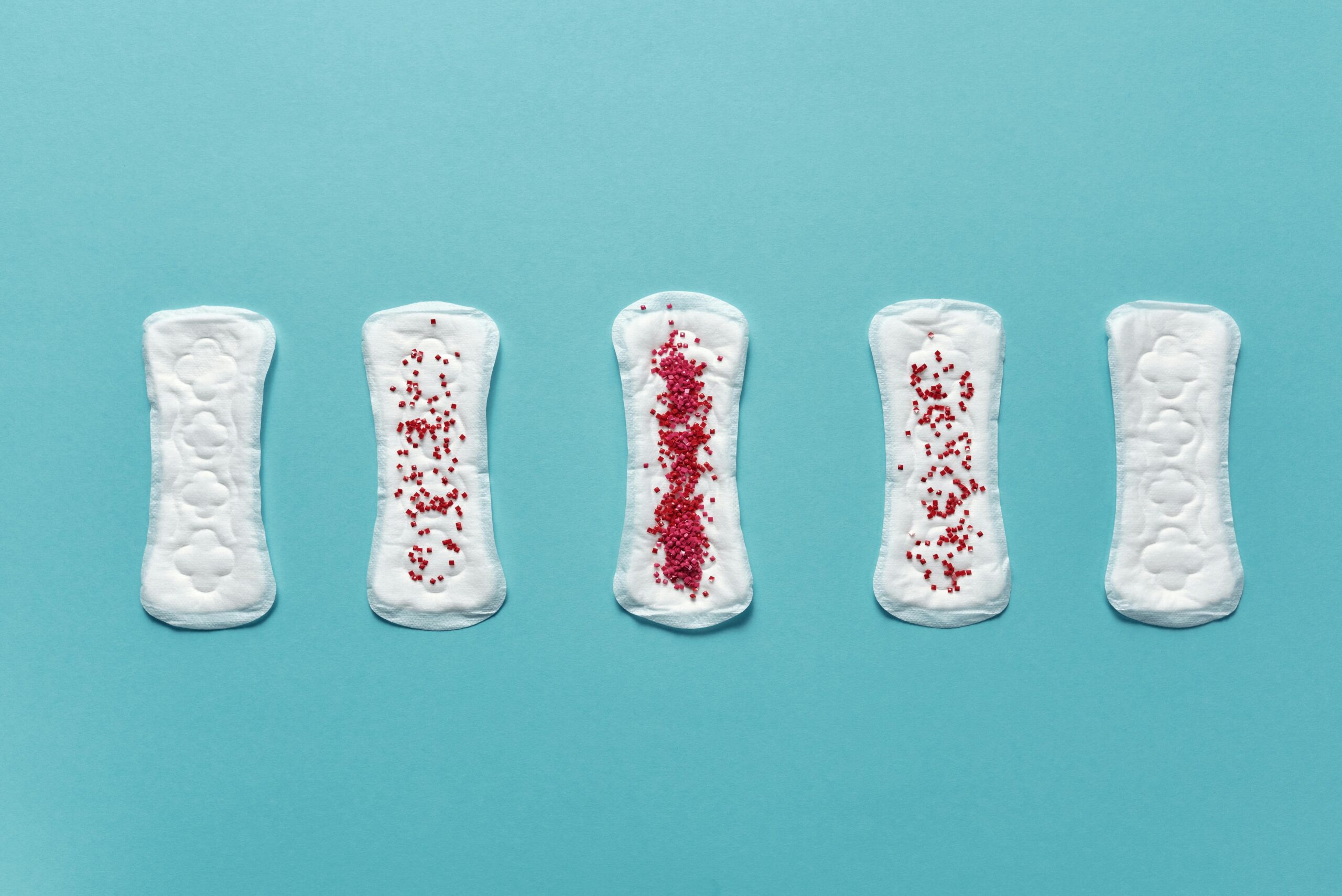
Spotting means light bleeding that happens after your period has already ended. It usually looks pink, light red, or brown in color and is much lighter than your normal menstrual flow. Many women notice it as small stains on underwear rather than a full period.
In most cases, spotting is normal and can happen due to small hormone changes in the body. It may also occur when the uterus is clearing out leftover blood from your previous cycle. For many women, it is not a serious issue if it happens occasionally.
- It often lasts 1–3 days in many cases
- It shows as light stains, not a heavy flow
- It may happen once in a while and then stop on its own
Women looking for How to Stop Spotting After Periods home remedies may benefit from healthy lifestyle habits like proper sleep, hydration, balanced nutrition, stress management, and regular exercise. These simple steps may support better hormone balance and healthier menstrual cycles over time. If spotting becomes heavy, lasts many days, causes pain, or happens frequently, women should speak with a healthcare professional for proper guidance and care.
Spotting can also be linked to factors like stress, changes in routine, or diet. Understanding this helps answer why I am spotting after my period and also guides you on how to stop it with simple care and lifestyle changes.
Why Am I Spotting After My Period and How Do I Stop It?
Spotting after periods is often linked to small changes in your body, especially hormonal shifts. These changes can affect how the uterus lining sheds, leading to light bleeding even after your main period has ended. In many cases, it is temporary and not serious, but it is still important to know the reasons behind it.
Hormone change in the cycle : Hormones control your menstrual cycle. If there is a slight imbalance, the body may release leftover lining slowly, which can cause spotting.
Stress and sleep issues : High stress or poor sleep can disturb hormone balance. This may lead to irregular cycles or light bleeding after periods.
Birth control use : Starting or changing birth control methods can cause spotting as your body adjusts to new hormone levels.
Thyroid or PCOS : Conditions like thyroid imbalance or Polycystic Ovary Syndrome can affect ovulation and cause spotting between or after periods.
Infection in some cases : Infections in the reproductive system may also lead to unusual bleeding or spotting and should not be ignored.
These are key reasons behind spotting. Understanding them can help you take better care of your cycle and choose the right steps to manage or reduce spotting naturally.
How to Stop Spotting After Periods: Home Remedies
This section shows simple and easy steps you can try at home to manage spotting. These natural methods focus on improving hormone balance, reducing stress, and supporting your body’s natural cycle. With regular care, many women notice better control over spotting.
Drink warm water through the day : Warm water helps improve blood flow and supports digestion. It can also help your body clear out any leftover menstrual blood more smoothly.
Add ginger or cinnamon tea : Herbal teas like ginger or cinnamon may help support hormone balance and reduce mild inflammation. They can also make you feel more relaxed during your cycle.
Eat iron-rich foods like spinach and dates : Foods rich in iron help your body recover from blood loss and support overall health. A balanced diet also helps regulate your menstrual cycle.
Rest well and lower stress : Good sleep and less stress are very important for hormone balance. Try to relax your mind with simple activities like deep breathing or light stretching.
Keep daily routine simple : Avoid overwork and follow a regular routine. Eating on time, sleeping well, and staying calm can help your body stay balanced.
These are helpful home remedies to stop spotting after periods and also work as natural remedies for spotting after periods, supporting your body in a gentle and safe way.
Natural Treatment for Irregular Spotting
This section focuses on long-term care to help your body stay balanced and reduce repeated spotting over time. Instead of quick fixes, these steps support your hormones, improve your cycle, and build overall reproductive health.
Manage stress with yoga : Stress can disturb hormone balance and affect your cycle. Gentle activities like yoga, deep breathing, or meditation can help calm your mind and support regular periods.
Keep weight balanced : Sudden weight gain or loss can affect hormones and lead to irregular spotting. Maintaining a healthy weight helps your body function more smoothly.
Eat whole foods : Choose fresh and natural foods like fruits, vegetables, whole grains, and proteins. These provide nutrients that support hormone health and improve cycle regularity.
Avoid smoking and alcohol : Smoking and alcohol can disturb hormone levels and affect menstrual health. Reducing or avoiding them can help your body stay more balanced.
These steps support natural treatment for irregular spotting and help your body maintain a healthier and more regular menstrual cycle over time.
Natural Ways to Manage PCOS Spotting :Many women with PCOS look for answers about “how to stop pcos spotting naturally” when irregular bleeding or light spotting starts affecting daily comfort and menstrual health. PCOS spotting may happen because of hormone imbalance, irregular ovulation, stress, or lifestyle factors. Healthy habits such as balanced eating, regular exercise, proper sleep, stress management, and maintaining a healthy weight may help support better hormone balance naturally. While mild spotting can be common with PCOS, persistent or heavy bleeding should be checked by a healthcare professional for proper guidance and care.
Tips to Prevent Spotting After Periods
Small daily habits can help you stay healthy and reduce the chances of spotting after your period. When your routine is simple and balanced, your hormones stay more stable and your cycle becomes more regular over time.
Drink 6–8 glasses of water daily : Staying hydrated helps your body function properly and supports hormone balance. It can also help your body clear out any leftover menstrual blood more smoothly.
Eat meals on time : Regular meals help keep your blood sugar and hormones stable. Skipping meals or eating at irregular times can affect your cycle and may lead to spotting.
Sleep 7–8 hours every night : Good sleep is very important for hormone health. Proper rest helps your body recover, reduces stress, and supports a regular menstrual cycle.
Stay active with light exercise : Gentle activities like walking or yoga improve blood flow and help manage stress. Regular movement also supports overall reproductive health.
Track your period each month : Keeping a simple record of your cycle helps you understand your body better. It also helps you notice any unusual changes early so you can take the right steps if needed.
FAQs on How to Stop Spotting After Periods Home Remedies
How to stop spotting after periods with home remedies fast?
You can manage spotting with simple home care, although results may not be instant. Drinking herbal teas like ginger or chamomile can help relax the body and support hormone balance. Eating iron-rich foods helps your body recover, and proper rest with a calm routine can reduce stress, which is often a trigger for spotting.
Is spotting after period normal?
Yes, light spotting for a short time after your period is quite common for many women. It usually happens due to small hormone changes or the body clearing leftover blood. It often lasts only a few days and appears as light stains, not heavy bleeding.
Why am I spotting after my period and how to stop it?
Spotting after periods can happen due to stress, hormone imbalance, or lifestyle changes. To manage it, focus on a balanced diet, drink enough water, and reduce stress through rest or relaxation. Keeping your daily routine stable can help your cycle become more regular.
What are natural remedies for spotting after periods?
Natural remedies can support your body gently and help control spotting over time. Drinking ginger tea, eating a healthy and balanced diet, and getting good sleep are simple ways to improve hormone balance and menstrual health.
Can herbs help stop spotting?
Yes, some herbs may help support menstrual balance and reduce mild spotting. Ingredients like cinnamon, chamomile, and ginger are commonly used for their calming and supportive effects on the body, though results can vary from person to person.
When should I see a doctor?
You should see a doctor if spotting does not stop or becomes unusual. If it lasts many days, turns into heavy bleeding, or is combined with pain, bad smell, or discomfort, it is important to get medical advice. Early consultation can help identify the cause and provide proper treatment.
Conclusion
However, if spotting continues for a long time, becomes heavy, or feels unusual, it is important not to ignore it. In such cases, consulting a doctor in Manchester can help you get the right advice, proper diagnosis, and safe treatment for your health.