
Highlights
- Day 18 is usually the luteal phase
- Ovulation already happens before day 18
- Progesterone rises in this stage
- PMS symptoms may start
- Fertility window is mostly closed
Introduction
Many women ask what phase is day 18 of menstrual cycle when they are tracking ovulation or trying to understand the best time for pregnancy. It is a common question, especially for those who want to know how their body changes throughout the month. Day 18 usually comes after ovulation in a typical 28-day cycle. At this stage, the body enters a phase where it prepares either for early pregnancy or for the next menstrual period if pregnancy does not occur. Hormones shift to support the uterine lining and maintain balance in the cycle.
Women in Manchester and across the UK often check their cycle days to understand fertility timing, symptoms, and overall reproductive health more clearly.
Day 18 of Menstrual Cycle Meaning – Which Phase Is Day 18 in Cycle?
This section explains the cycle stage in very simple words so it is easy to understand and follow.
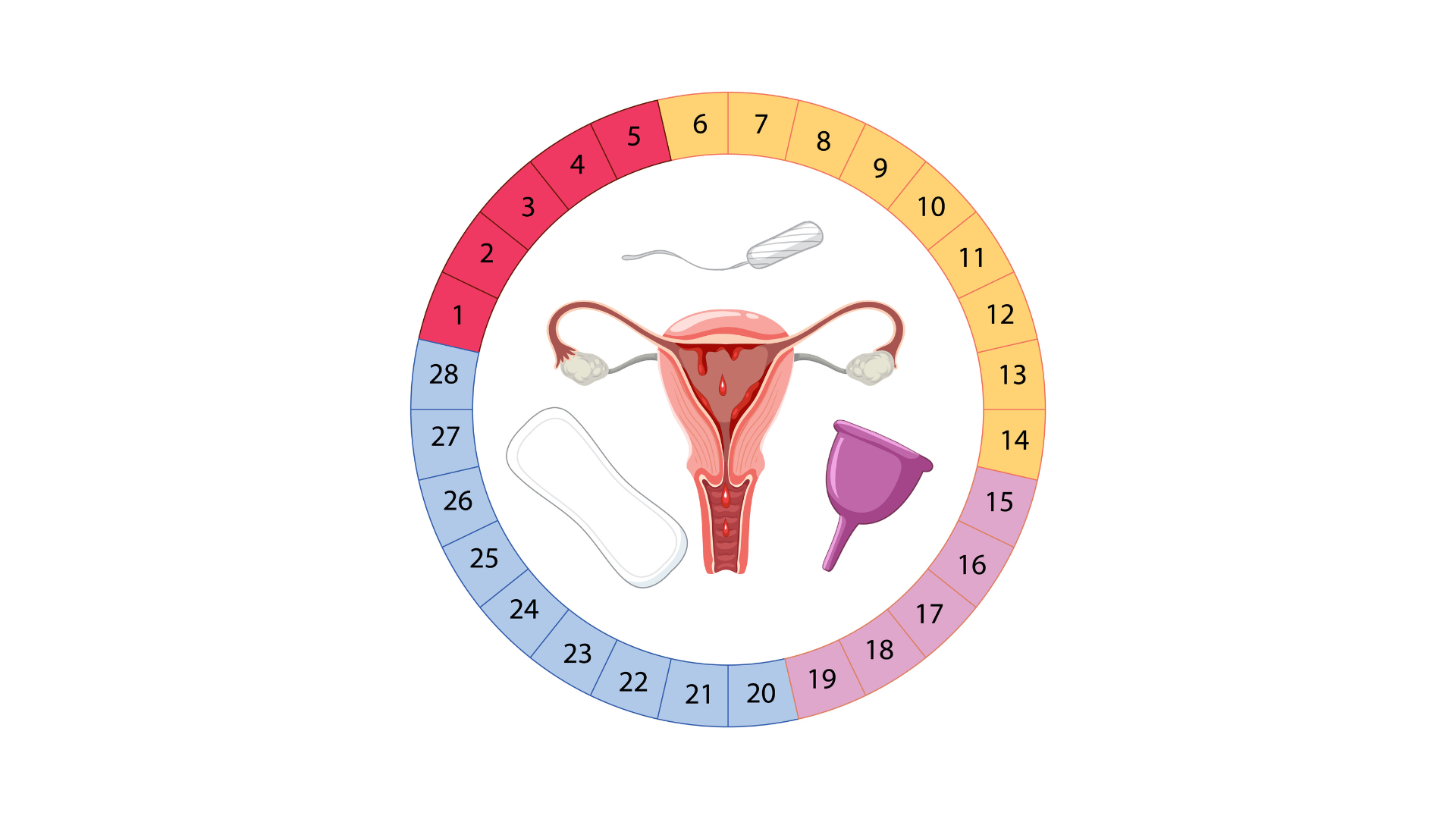
Day 18 of the menstrual cycle is usually part of the luteal phase, which starts after ovulation has already taken place. In a standard 28-day cycle, ovulation often happens around day 14, so by day 18 the egg has already been released and the body is now in the post-ovulation stage. At this point, the focus of the body shifts from releasing an egg to preparing for possible pregnancy or the next menstrual period. During the luteal phase, the hormone progesterone becomes the main hormone in control. It helps thicken and maintain the lining of the uterus so that it can support a fertilized egg if pregnancy occurs. If the egg is not fertilized, hormone levels slowly begin to drop, and this signals the body to gradually prepare for menstruation.
At this stage, many women may notice natural changes in the body due to hormonal shifts. These can include mild bloating, breast tenderness, slight mood changes, food cravings, or feeling more tired than usual. These symptoms are normal and vary from person to person depending on hormone balance and overall health.
Understanding this phase helps you see how your body naturally works after ovulation and why certain physical and emotional changes happen around day 18 of the cycle.
What Happens on Day 18 of Cycle?
This section explains the body changes in simple and easy words so you can clearly understand what is happening inside your body at this stage.
On day 18 of the menstrual cycle, the body is usually in the luteal phase, which means ovulation has already happened. Now the body is not releasing an egg anymore, but focusing on supporting hormone balance and preparing for what comes next in the cycle.
During this time, the hormone progesterone becomes more active. It helps the body maintain the uterine lining and create a supportive environment in case pregnancy occurs. If pregnancy does not happen, hormone levels slowly start to change again, leading toward the next period.
Common changes
Progesterone rises : After ovulation, progesterone levels increase to support the uterus and prepare it for possible implantation.
Uterus lining gets ready : The lining of the uterus becomes thicker and more stable so it can support a fertilized egg if conception happens.
Energy levels may drop : Many women feel slightly more tired or less energetic during this phase due to hormonal changes in the body.
Mood changes may appear : Hormone shifts can also affect emotions, leading to mood swings, irritability, or feeling more sensitive than usual.
This explains what happens on day 18 of cycle in a clear and simple way and helps you understand how your body naturally responds after ovulation.
Day 18 Cycle Symptoms Bloating and Body Changes
This section explains common body changes in simple words so you can understand what may happen around day 18 of your menstrual cycle. At this stage, the body is in the luteal phase, and hormone levels are shifting after ovulation. These changes are natural and vary from woman to woman.
Many women notice small physical and emotional changes during day 18 because progesterone levels rise and the body starts preparing for either early pregnancy or the next period. These hormonal shifts can affect digestion, mood, and overall energy levels.
Common symptoms
Bloating in stomach : You may feel your stomach is fuller or tighter than usual. This happens because hormonal changes can slow down digestion and cause the body to retain water.
Breast tenderness : Breasts may feel sore, heavy, or sensitive due to rising progesterone levels. This is a very common symptom in the second half of the cycle.
Mood swings : Hormonal changes can affect brain chemicals, which may lead to mood changes, irritability, or feeling more emotional than usual.
Tired feeling : Many women feel low energy or more tired during this phase as the body is working hard to adjust hormone levels and maintain the uterine lining.
These are common day 18 cycle symptoms bloating signs and other body changes that are part of the natural menstrual cycle and usually vary in intensity each month.
Is Day 18 Fertile or Not?
This section clears confusion in simple words.
Day 18 is usually not a fertile time in a regular menstrual cycle. By this stage, ovulation has already taken place earlier, so the most fertile days are typically over.
Ovulation already passed by day 18 in a normal cycle. The egg only lives for about 12–24 hours after release, so it cannot be fertilized for long. Because of this timing, the chances of pregnancy are generally lower compared to the middle of the cycle when ovulation occurs.
Tips to Manage Day 18 Symptoms
Simple daily habits can help reduce discomfort during day 18 of your cycle. At this stage, hormonal changes may cause bloating, mood shifts, or tiredness, so gentle care of your body can make you feel more comfortable.
Drinking warm water can help improve digestion and reduce bloating, while also keeping your body relaxed.
Eating light, home-cooked food supports your stomach and prevents heaviness or discomfort.
Short walks or light movement can improve blood flow and help ease cramps or stiffness in the body.
Getting proper sleep of 7–8 hours is very important because it helps balance hormones and restore energy levels.
Along with this, reducing stress by taking calm time for yourself, practicing deep breathing, or simply resting your mind can help improve mood and reduce emotional changes during this phase.
FAQs
What phase is day 18 of menstrual cycle?
Day 18 of the menstrual cycle is usually part of the luteal phase, which starts after ovulation has already happened. In this phase, the body shifts from releasing an egg to supporting the uterine lining with the help of hormones, mainly progesterone. This stage continues until the next period begins.
What is day 18 of menstrual cycle meaning?
Day 18 of the cycle means your body is in the post-ovulation stage, where the egg has already been released. At this point, hormone levels change to either support early pregnancy or prepare for menstruation if pregnancy does not occur.
What happens on day 18 of cycle?
On day 18, the body mainly focuses on maintaining hormone balance after ovulation. Progesterone becomes the dominant hormone and helps prepare the uterus lining. Some women may notice mild physical and emotional changes during this time.
Which phase is day 18 in cycle?
Day 18 falls in the luteal phase of the menstrual cycle. This is the second half of the cycle that starts after ovulation and continues until the next period begins.
Why do I feel bloating on day 18?
Bloating on day 18 is usually caused by hormonal changes, especially the rise in progesterone. This hormone can slow digestion and cause the body to retain water, leading to a feeling of fullness or swelling in the stomach area.
Is day 18 fertile?
In most regular cycles, day 18 is not considered a fertile day because ovulation has already passed. Since the egg survives only for a short time, the fertile window usually ends before this stage of the cycle.
Conclusion
Now you understand what happens around day 18 of the menstrual cycle in simple terms. It is usually part of the luteal phase, where the body prepares for either pregnancy or the next period after ovulation. During this time, hormonal changes may cause mild symptoms like bloating, mood shifts, or tiredness, but these are normal cycle-related changes. Understanding your cycle helps you track your body better and notice patterns over time.
If you experience unusual pain, severe symptoms, or irregular cycles, it is always best to consult a doctor in Manchester for proper advice and support.