
Highlight Points
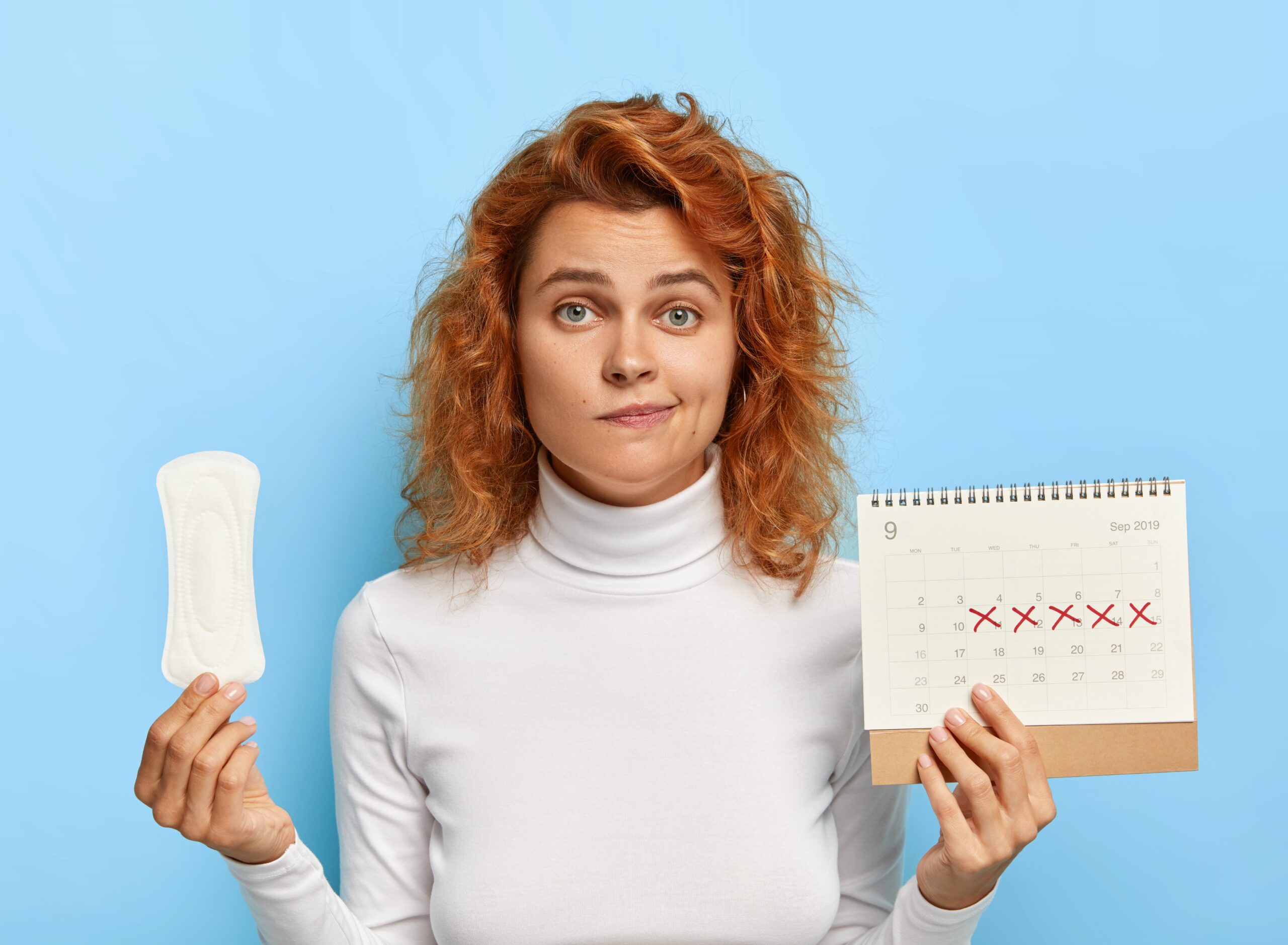
- Track your cycle to notice shorter periods in 30s.
- Hormonal changes naturally affect changes in menstrual cycle after 30.
- Stress, sleep, and lifestyle shifts can cause menstrual cycle getting shorter suddenly.
- Early signs of perimenopause in mid 30s may show as shorter cycles.
- Timely medical guidance helps manage irregular periods in mid 30s.
Introduction
Many women in Manchester, UK, often ask, “why is my menstrual cycle getting shorter in my mid 30s?” Noticing shorter cycles can feel confusing and stressful. It can affect planning daily routines, work, family life, and even fertility tracking. Understanding why this happens helps women feel more in control and reduces anxiety. Shorter periods in the 30s are usually linked to natural hormonal changes affecting periods after 30. As women age, ovulation can shift, making cycles closer together or slightly lighter. These changes are often normal, but tracking your cycle helps you know what is typical for your body.
Even small disruptions, like late nights, travel, or changes in exercise, can affect hormone balance and cycle length. Women may notice shorter cycle symptoms such as mild cramps, mood swings, lighter bleeding, or fatigue. Keeping a journal or using a cycle tracking app makes it easier to see patterns, spot irregularities, and manage changes effectively.
Understanding the reasons behind shorter cycles allows women to take early action. Using natural ways to regulate shorter periods after 30, like light exercise, a balanced diet, proper sleep, and stress management, can make periods more predictable and less stressful. With awareness, monitoring, and simple lifestyle steps, women in Manchester can stay confident and comfortable during their cycles. They can plan better, reduce discomfort, and maintain good menstrual health, even as cycles change over time.
What Causes Shorter Menstrual Cycles in Women in Their 30s?
Shorter menstrual cycles in women’s 30s are common and usually happen for several reasons. Changes in menstrual cycle after 30 often occur due to natural hormone shifts. As estrogen and progesterone levels fluctuate, ovulation may happen earlier, making cycles shorter than before. Medical conditions can also play a role. Thyroid problems or polycystic ovary syndrome (PCOS) may cause shorter periods in 30s or irregular timing. Women with these conditions might notice more pronounced shorter cycle symptoms, such as fatigue, mood swings, or cramps.
Lifestyle factors have a strong impact as well. Stress, poor sleep, sudden weight changes, or changes in exercise can trigger menstrual cycle getting shorter suddenly. Even small lifestyle adjustments can make cycle length vary from month to month. Tracking cycles is very helpful. Writing down period dates, flow, and symptoms helps women spot patterns and understand if changes are normal or need medical attention. Monitoring also helps in identifying early signs of perimenopause in mid 30s.
By understanding these causes, women can take simple steps to manage their cycles. Awareness of shorter cycle symptoms allows timely lifestyle adjustments, use of natural ways to regulate shorter periods after 30, and seeking medical advice when needed, helping them stay comfortable and confident.
Why My Periods Are Shorter and Closer?
Many women in Manchester, UK, notice that their periods are coming sooner and lasting for a shorter time. They often ask, “Why are my periods shorter and closer?” This can feel surprising, especially if cycles were regular in their 20s. Understanding the reasons behind these changes helps women manage their periods more comfortably and reduce stress. Early signs of perimenopause in mid 30s can make cycles shorter and more frequent. Hormone changes, particularly in estrogen and progesterone, may shorten the luteal phase, which is the time between ovulation and the next period.
Lifestyle factors also play a role. Stress, sudden weight changes, changes in exercise routines, and poor sleep can all contribute to menstrual cycle getting shorter suddenly. These small daily changes can noticeably affect cycle length. Many women notice shorter cycle symptoms such as lighter bleeding, mild cramps, or fatigue when cycles become closer. While this is often normal, tracking cycles helps you understand patterns and distinguish between normal changes and issues that may need medical attention. Keeping a cycle diary or using a tracking app can help monitor shorter periods in 30s and notice any irregularities. Tracking also helps women identify triggers, such as stress or diet, and use natural ways to regulate shorter periods after 30.
By observing patterns, making small lifestyle adjustments, and staying informed, women can manage these changes comfortably and confidently. Awareness empowers women to take proactive steps to maintain their menstrual health and reduce worry about changes in menstrual cycle after 30.
How Can Lifestyle Affect Shorter Cycles in the Mid 30s?
Lifestyle has a big impact on menstrual cycles. Women in Manchester, UK, often notice that stress, poor sleep, or sudden changes in diet can make irregular periods in mid 30s more likely. Even small disruptions in daily routines can trigger menstrual cycle getting shorter suddenly. Eating too much processed food, drinking excessive caffeine, or skipping meals may increase shorter cycle symptoms, like lighter bleeding, mild cramps, or fatigue. These habits can affect hormone balance, making cycles closer together or shorter.
On the other hand, gentle exercise such as walking, yoga, or stretching improves blood flow and supports natural ways to regulate shorter periods after 30. Staying hydrated and eating balanced meals with fruits, vegetables, and whole grains helps maintain healthy hormone levels. Tracking cycles along with daily routines, diet, and sleep patterns helps women notice changes in menstrual cycle after 30. Using a diary or a cycle-tracking app can highlight patterns and possible triggers, giving better control over menstrual health.
Lifestyle adjustments, stress management, and healthy habits are simple but effective ways to reduce discomfort and manage shorter periods in 30s. By observing these factors, women can feel more in control, comfortable, and confident about their changing cycles.
When Should You See a Doctor for Shorter Cycles?
Some changes in cycle length are normal, but women should see a doctor if pain or bleeding becomes severe. Menstrual cycles getting shorter suddenly, very heavy periods, or missed periods can signal underlying hormonal imbalances. Medical conditions such as PCOS, thyroid problems, or early perimenopause may cause shorter periods in 30s or irregular cycles. Identifying these conditions early helps in managing symptoms effectively and preventing complications.
Women in Manchester, UK, can consult a gynecologist for guidance on normal cycle length changes after 30. A professional can help distinguish normal age-related changes from issues that need treatment. Early evaluation not only ensures proper care but also reduces stress and worry. Understanding the reasons behind shorter cycle symptoms allows women to feel more confident and proactive about their menstrual health.
Keeping a record of cycles, symptoms, and lifestyle habits can help doctors provide better guidance. Timely consultation and monitoring support long-term comfort and predictability in periods, even as cycles naturally change.
Tips to Manage Shorter Menstrual Cycles at Home
- Tracking your cycle is the first step. Keeping a record helps notice shorter periods in 30s and shorter cycle symptoms like lighter bleeding, cramps, or mood changes. Using a cycle app or diary makes it easier to see patterns over time.
- Eating balanced meals with plenty of fruits, vegetables, and whole grains supports hormone health. Drinking enough water and avoiding too much caffeine or processed food can reduce discomfort and help prevent menstrual cycle getting shorter suddenly.
- Light exercise such as walking, yoga, or stretching improves blood flow and supports natural ways to regulate shorter periods after 30. Gentle movement also helps manage cramps and mood swings.
- Stress management is important. Meditation, deep breathing, or short relaxation exercises can calm the mind and prevent stress-related shorter cycle symptoms. Stress often affects hormone balance and cycle length.
- Using a heating pad or gentle massage on the lower belly can ease cramps and reduce tension. These simple steps help manage changes in menstrual cycle after 30 and make periods more comfortable.
- Good sleep and consistent daily routines also play a role. A regular schedule supports hormone balance and reduces the chance of irregular periods in mid 30s.
- Observing your body and recording patterns allows you to take proactive steps. Combining lifestyle adjustments with awareness helps women feel in control and maintain shorter periods in 30s naturally and comfortably.
FAQs
Is it normal for cycles to get shorter in the 30s?
Yes, mild shortening of periods is common. As women age, hormonal changes affecting periods after 30 can naturally shift ovulation, making cycles slightly shorter. Noticing small changes like shorter cycle symptoms such as lighter bleeding or mild cramps is usually normal.
What causes menstrual cycle getting shorter suddenly?
Sudden shortening can happen due to stress, sudden lifestyle changes, or sleep disruptions. Early perimenopause in mid 30s, thyroid problems, or other hormonal imbalances can also trigger menstrual cycle getting shorter suddenly. Tracking symptoms helps identify if changes are temporary or need medical attention.
How can I manage shorter periods in 30s naturally?
Simple lifestyle steps can help. Track your cycle to notice shorter periods in 30s and any shorter cycle symptoms. Eat balanced meals, drink enough water, exercise lightly, reduce stress through meditation or deep breathing, and use gentle heat or massage to ease cramps.
When should I worry about shorter cycles?
Seek medical advice if your cycles become very irregular, extremely painful, or heavy. Noticeable shorter cycle symptoms that affect daily life, like fatigue or severe cramps, also warrant a consultation. Early guidance can help identify conditions like PCOS, thyroid issues, or perimenopause.
Can lifestyle improve irregular periods in mid 30s?
Yes, maintaining consistent sleep, a healthy diet, stress management, and light exercise supports natural ways to regulate shorter periods after 30. Small daily changes often help manage changes in menstrual cycle after 30 and make cycles more predictable and comfortable.
Conclusion
Shorter cycles are often a natural part of aging, caused by hormonal changes affecting periods after 30. Knowing this helps reduce worry and gives women confidence in managing their menstrual health. Observing shorter periods in 30s and tracking shorter cycle symptoms such as lighter bleeding, cramps, or fatigue helps women understand their own patterns. Using a diary or period-tracking app makes it easier to notice changes and act early if needed.
Small lifestyle changes can make a big difference. Eating balanced meals, staying hydrated, exercising lightly, managing stress, and keeping a consistent sleep routine support natural ways to regulate shorter periods after 30. These steps reduce discomfort and help cycles feel more predictable. Consult a doctor in Manchester for irregular periods in mid 30s, very heavy bleeding, severe cramps, or sudden changes in cycle length ensures early care and peace of mind. Medical guidance can help identify underlying conditions like PCOS, thyroid problems, or early perimenopause.
By staying aware, tracking cycles, and making simple daily adjustments, women can manage changes in menstrual cycle after 30 confidently. Understanding the causes and taking proactive steps makes periods more comfortable, less stressful, and easier to predict. Women feel empowered and in control of their menstrual health.